Food and Drink
There are two things to think about with food on the Camino. First, you're asking your body to do an endurance event every day for weeks, so you need to fuel it. Second, Spain has some world-class food. Enjoy both.
Fueling the walk
You'll burn a lot of calories, and many pilgrims lose weight on a full Camino. Some of that is muscle you'd rather keep.
The fix is simple: eat a little, often. A piece of fruit, a handful of nuts, or half a bocadillo every hour or two keeps your energy steady and keeps you from crashing in the afternoon.
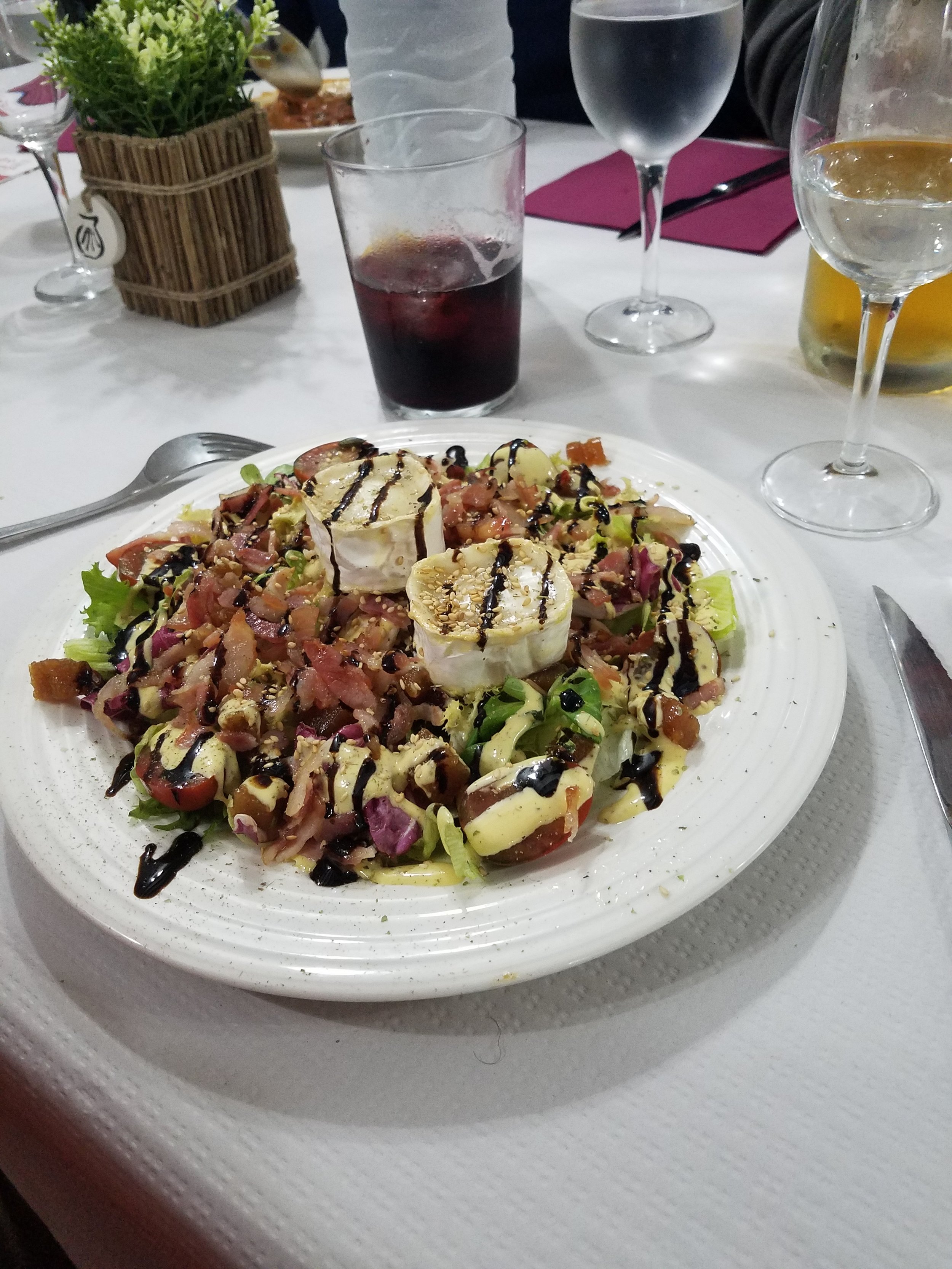
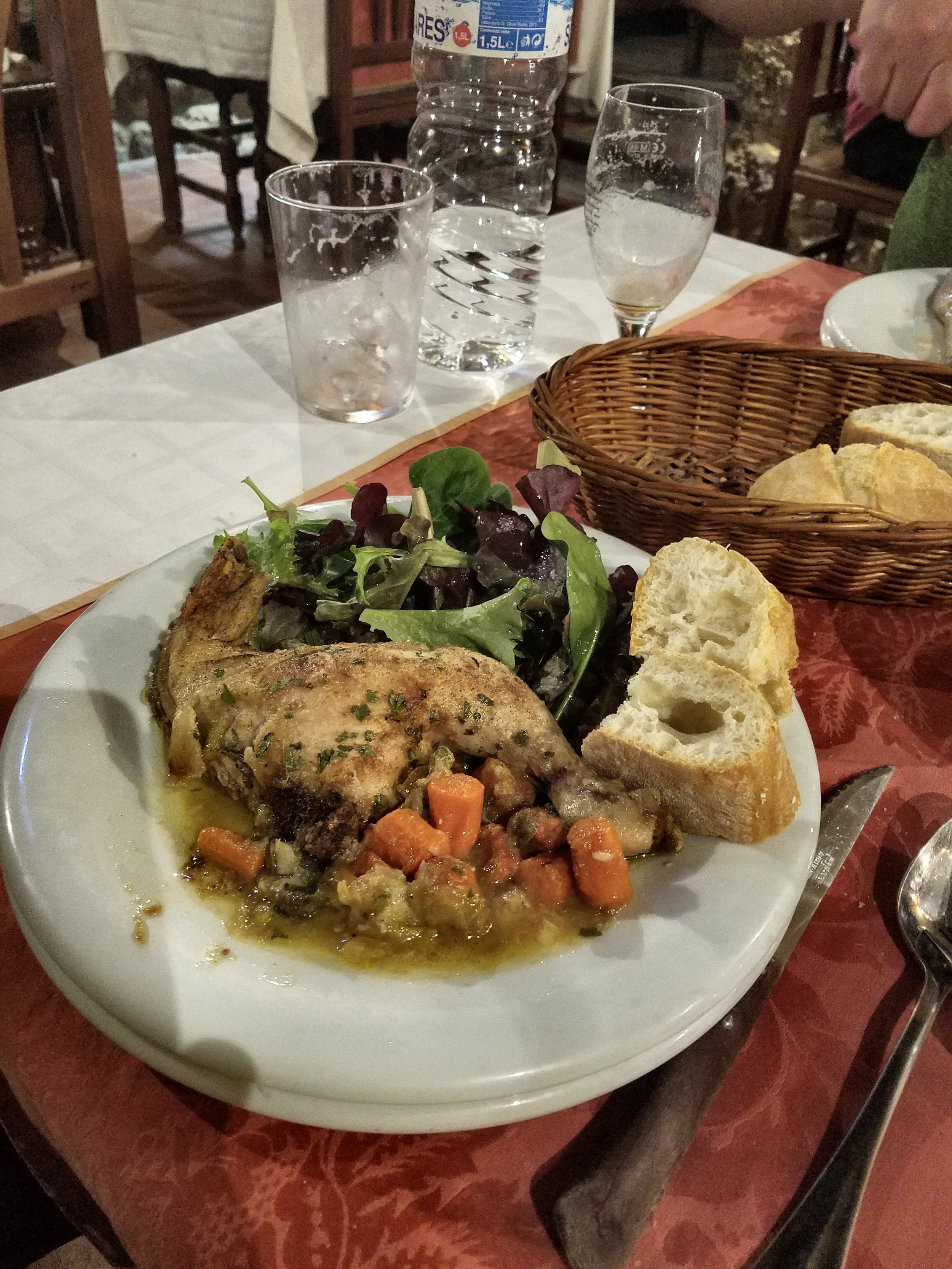
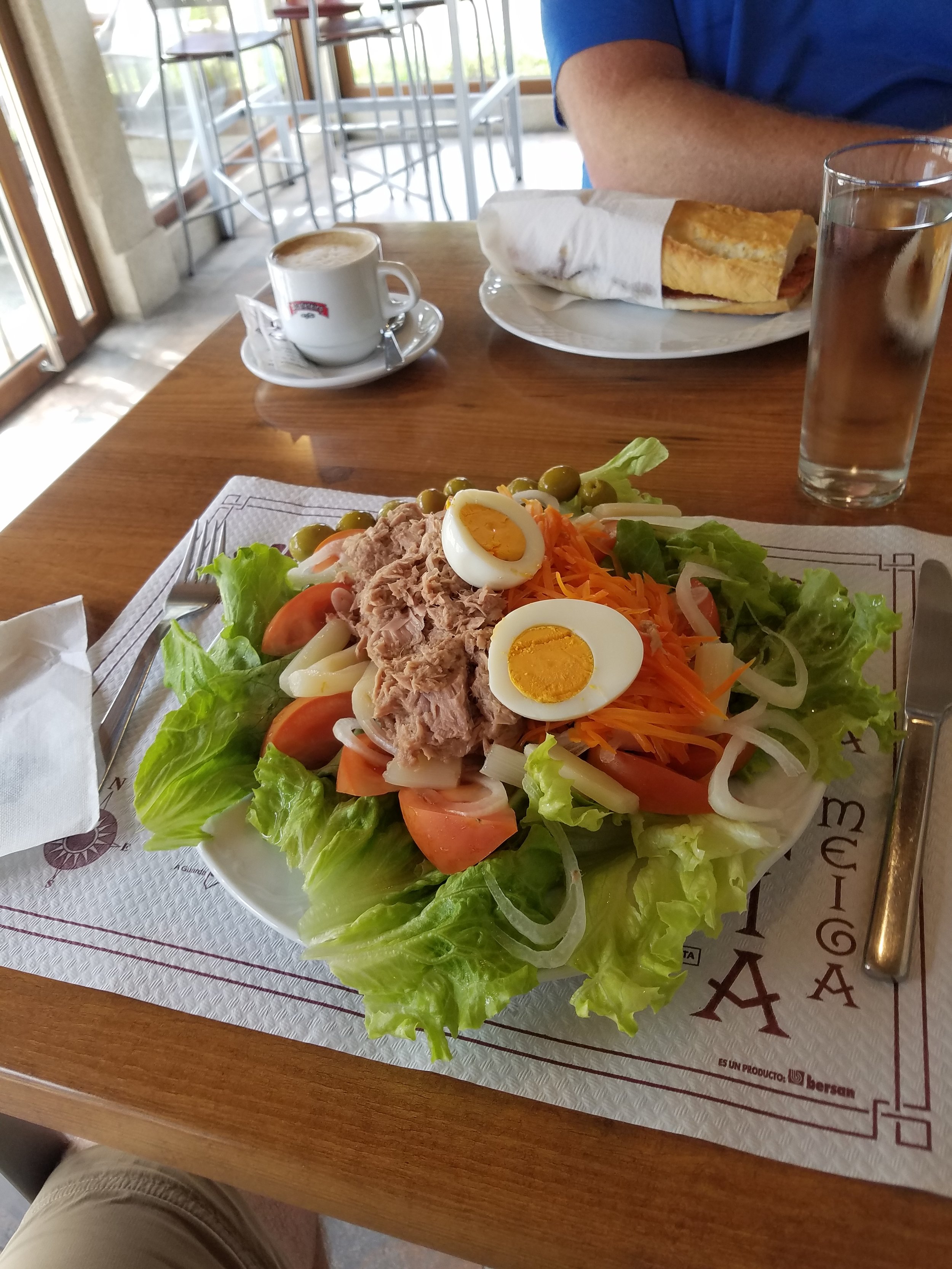
Recovery matters too. After a long day it's tempting to eat whatever's in front of you. Try to get good protein in every evening to rebuild tired muscles. A big mixed salad with egg and tuna is a better first course than another plate of pasta. Spanish stewed chicken shows up on menus nearly every day. Then save your carbs for dessert. Spanish desserts are worth it.
Staying hydrated
Drink small amounts often. Don't wait until you're really thirsty.
Plan on 2 to 3 liters a day, more in heat or on long stages.
Start every morning with water, and top up at every fountain and bar.
In hot weather, add electrolyte tablets or a sports drink, plus something salty like olives or chips.
Watch for dark urine, headache or dizziness. Those mean drink more and slow down. If symptoms get worse, get help.
What you'll eat
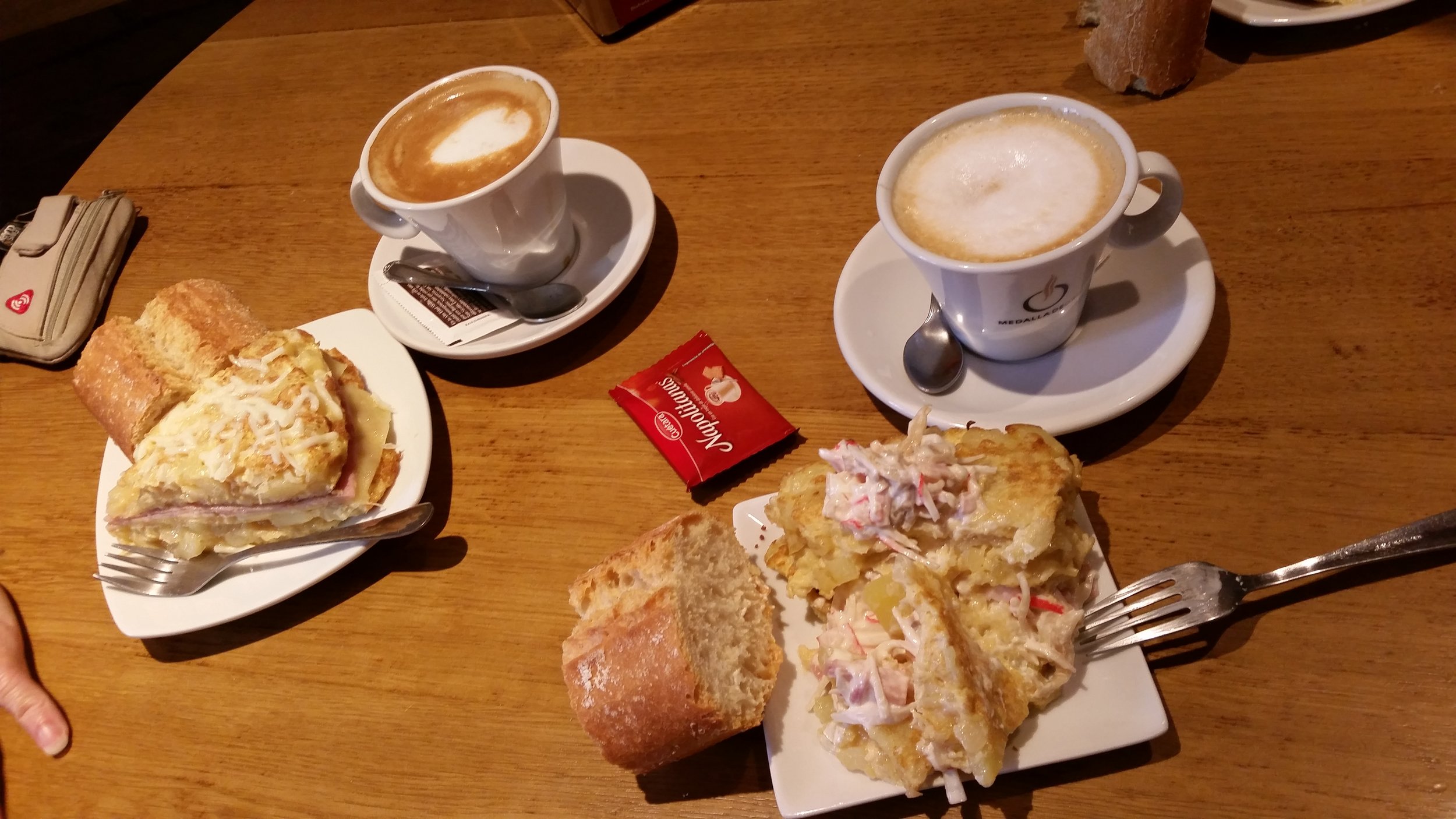
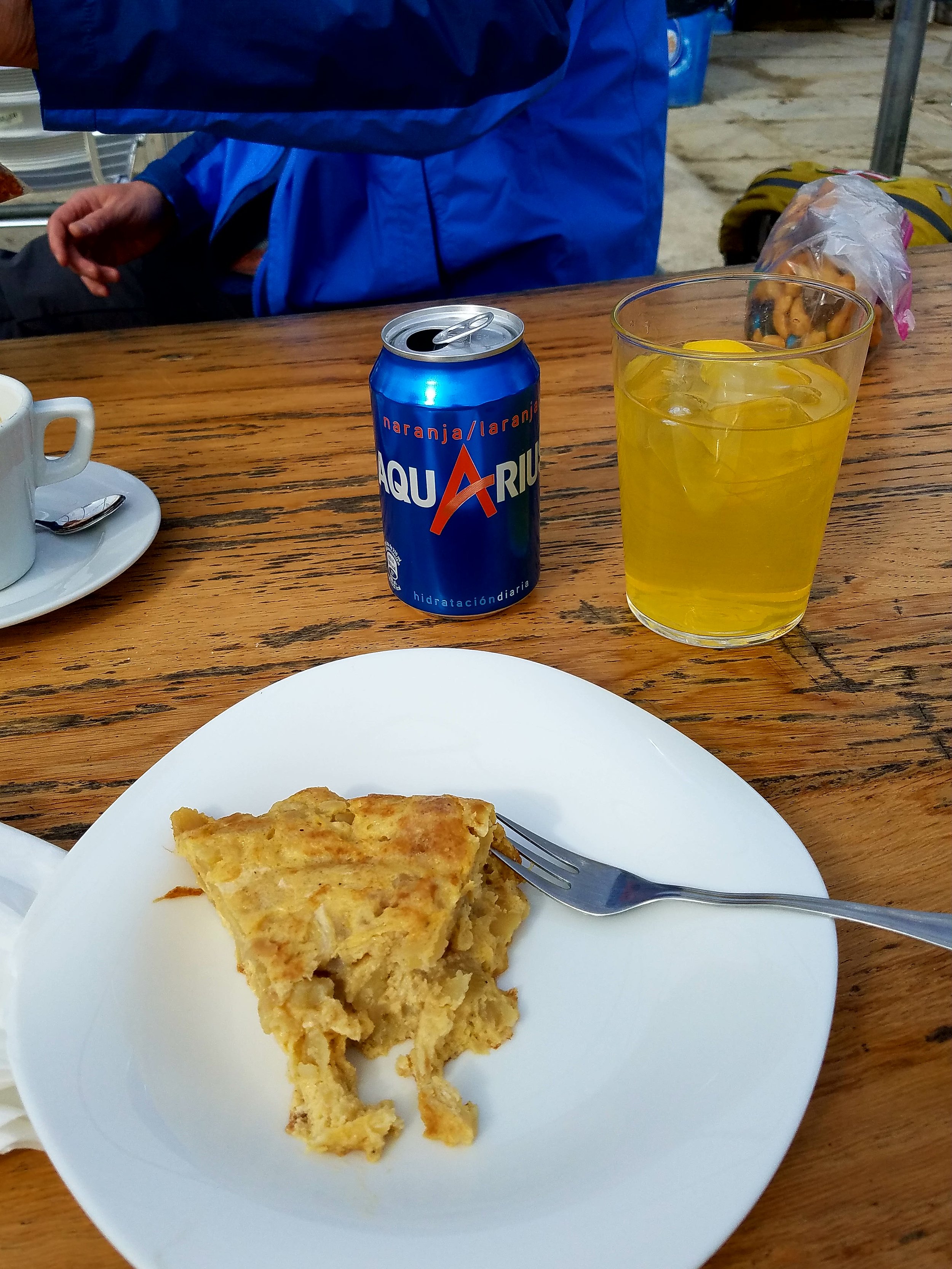
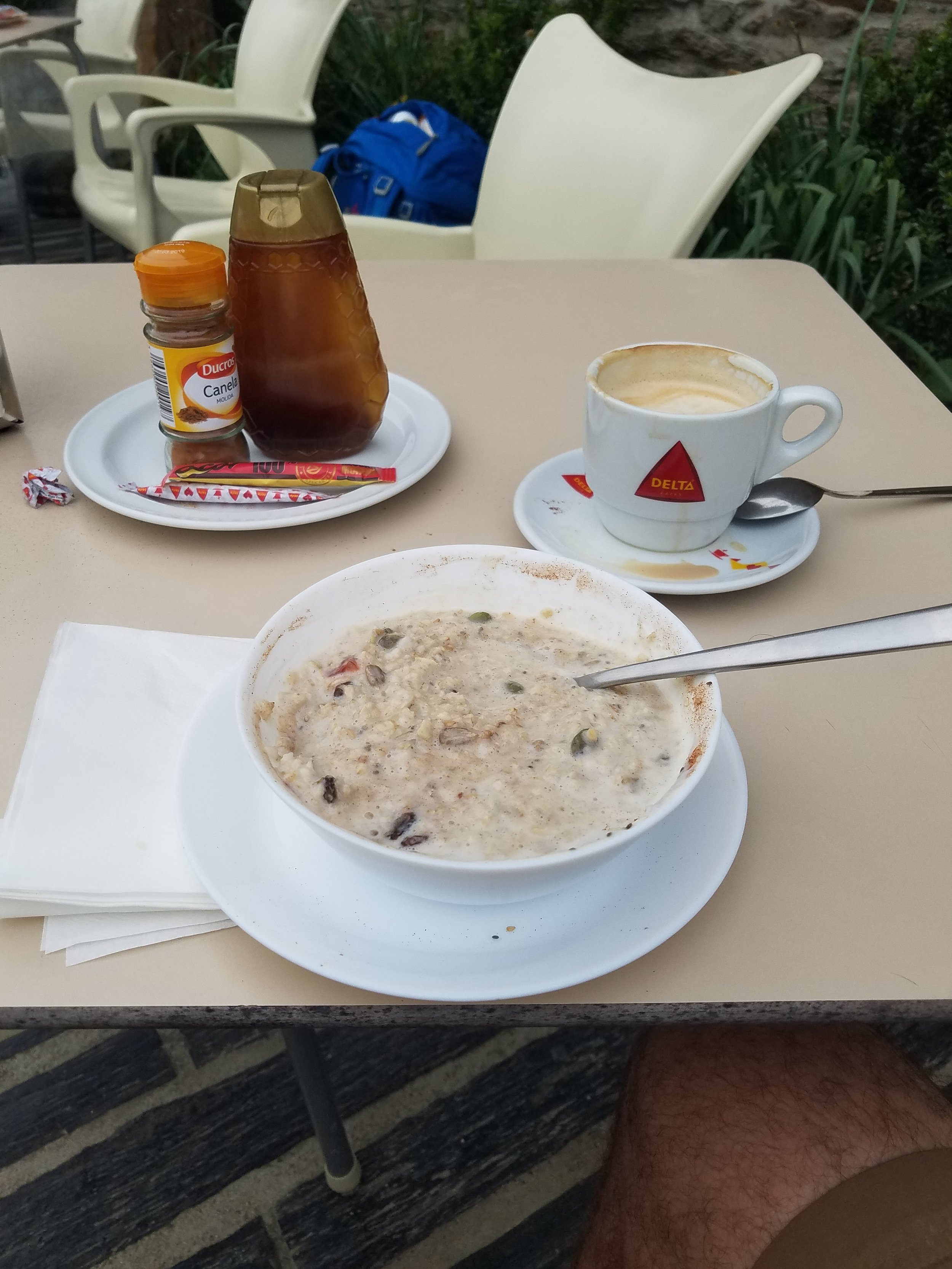
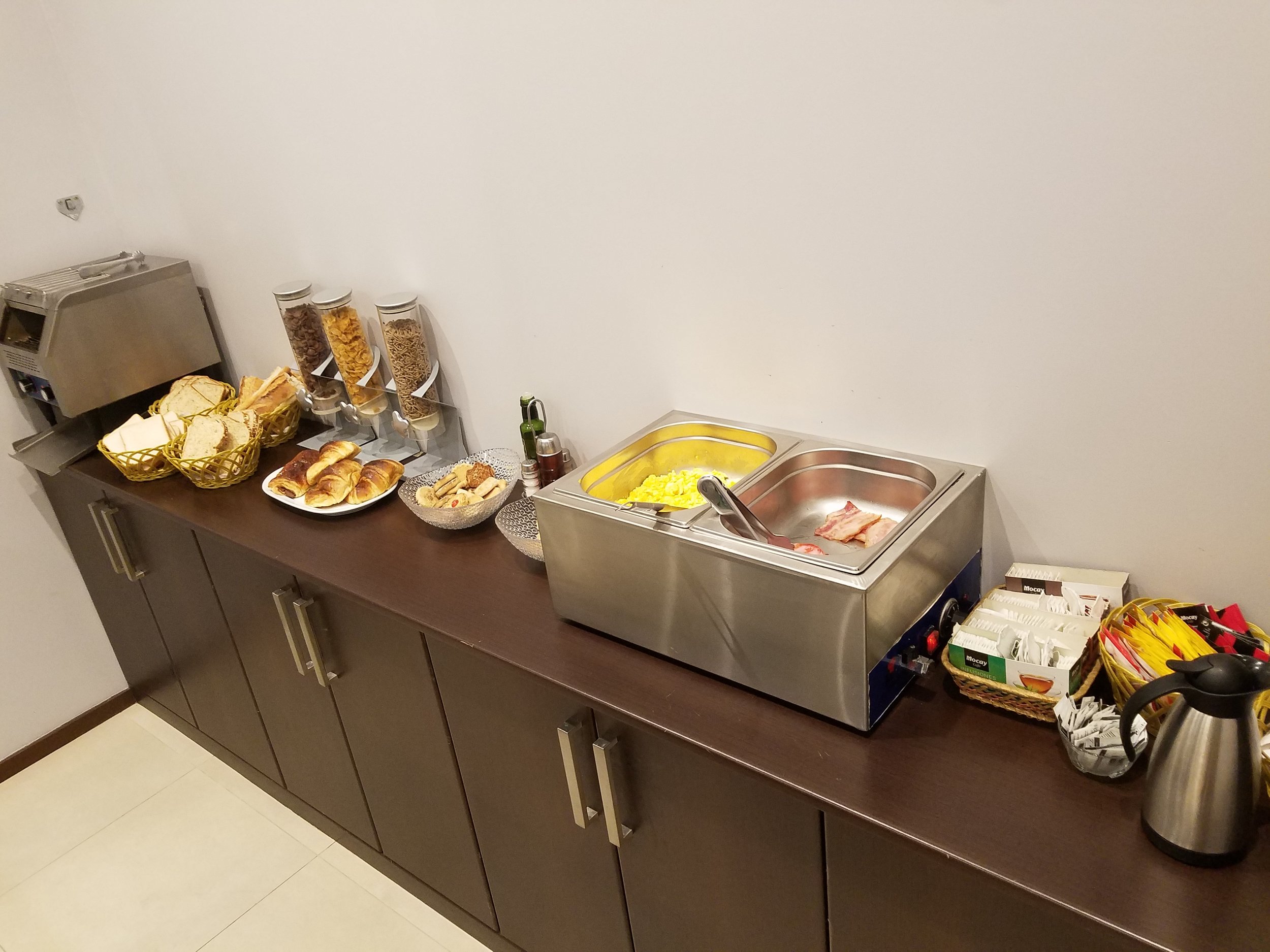
Breakfast is usually a café con leche and toast (tostada) with jam or olive oil, maybe a slice of tortilla, the Spanish potato omelet. Some albergues offer an early breakfast. Often the bar in the next village is your best bet.
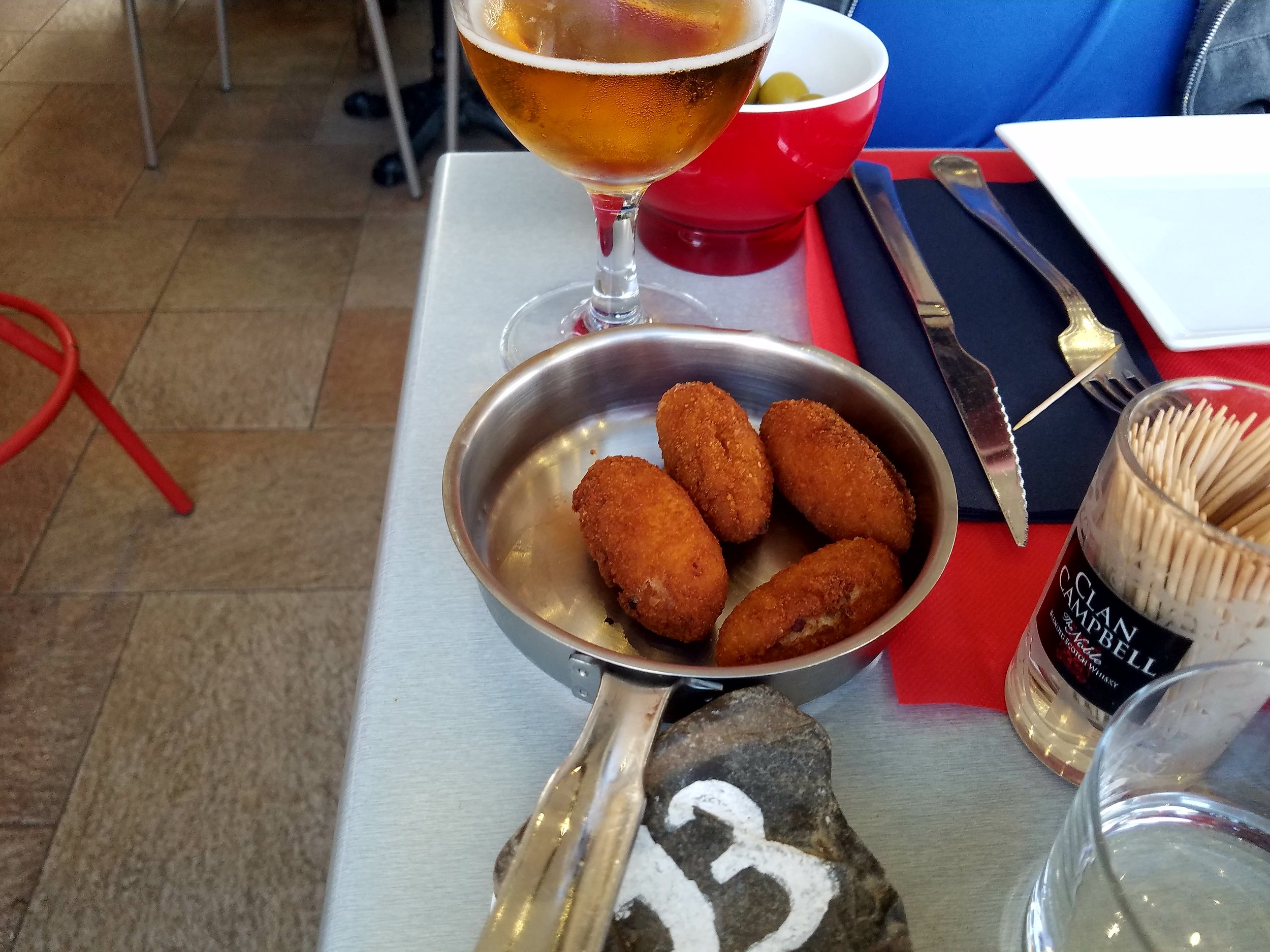
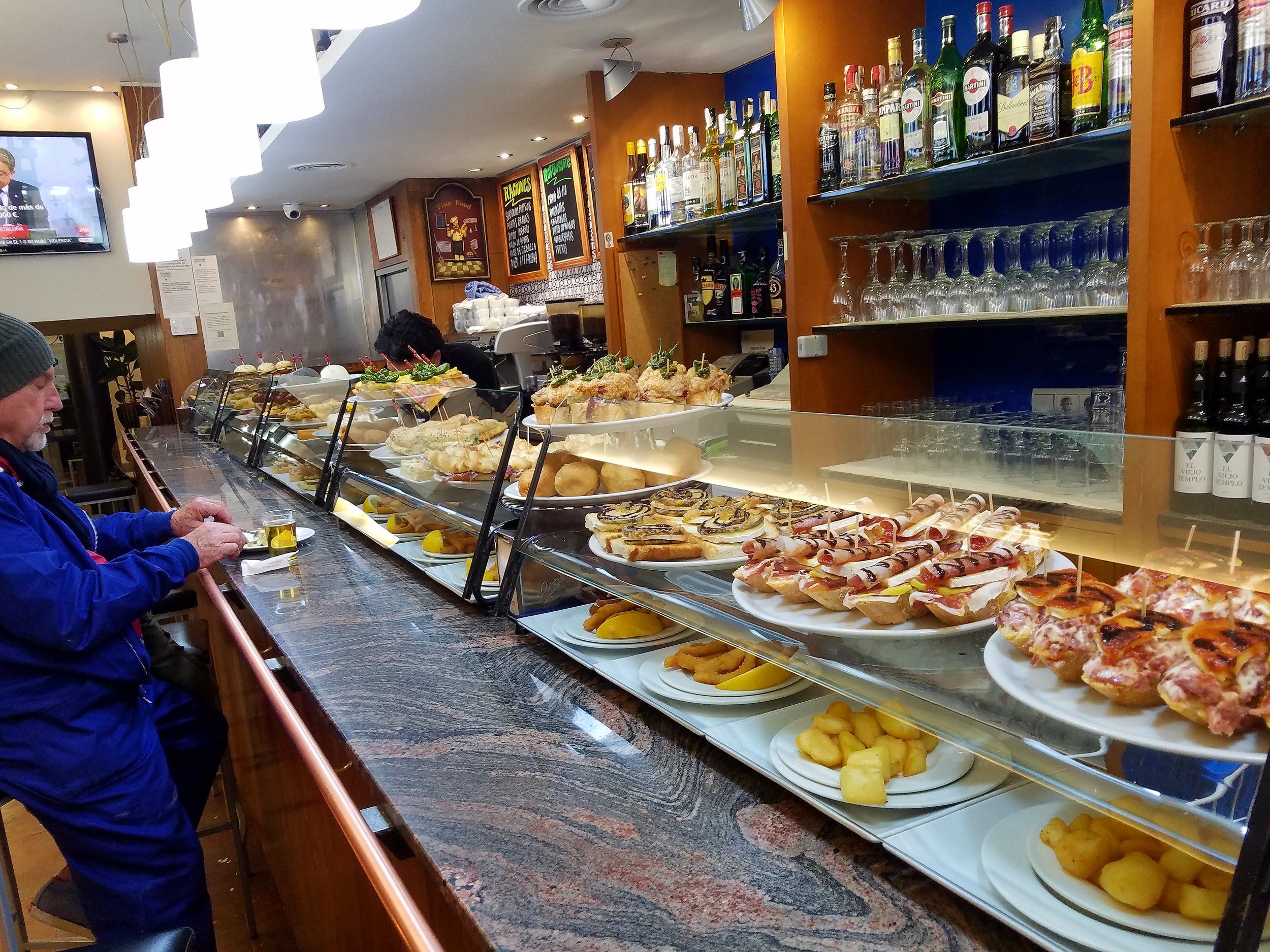
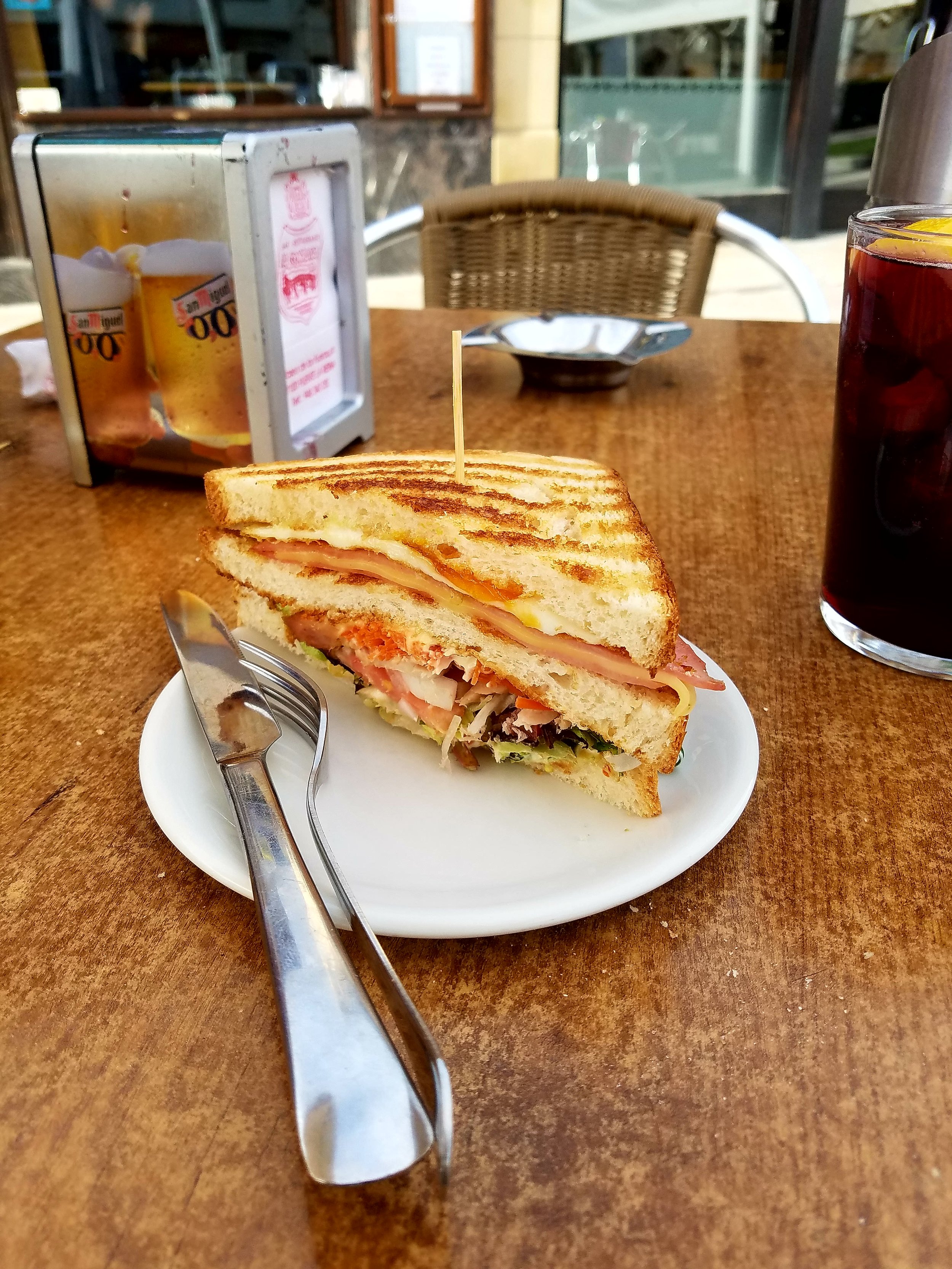
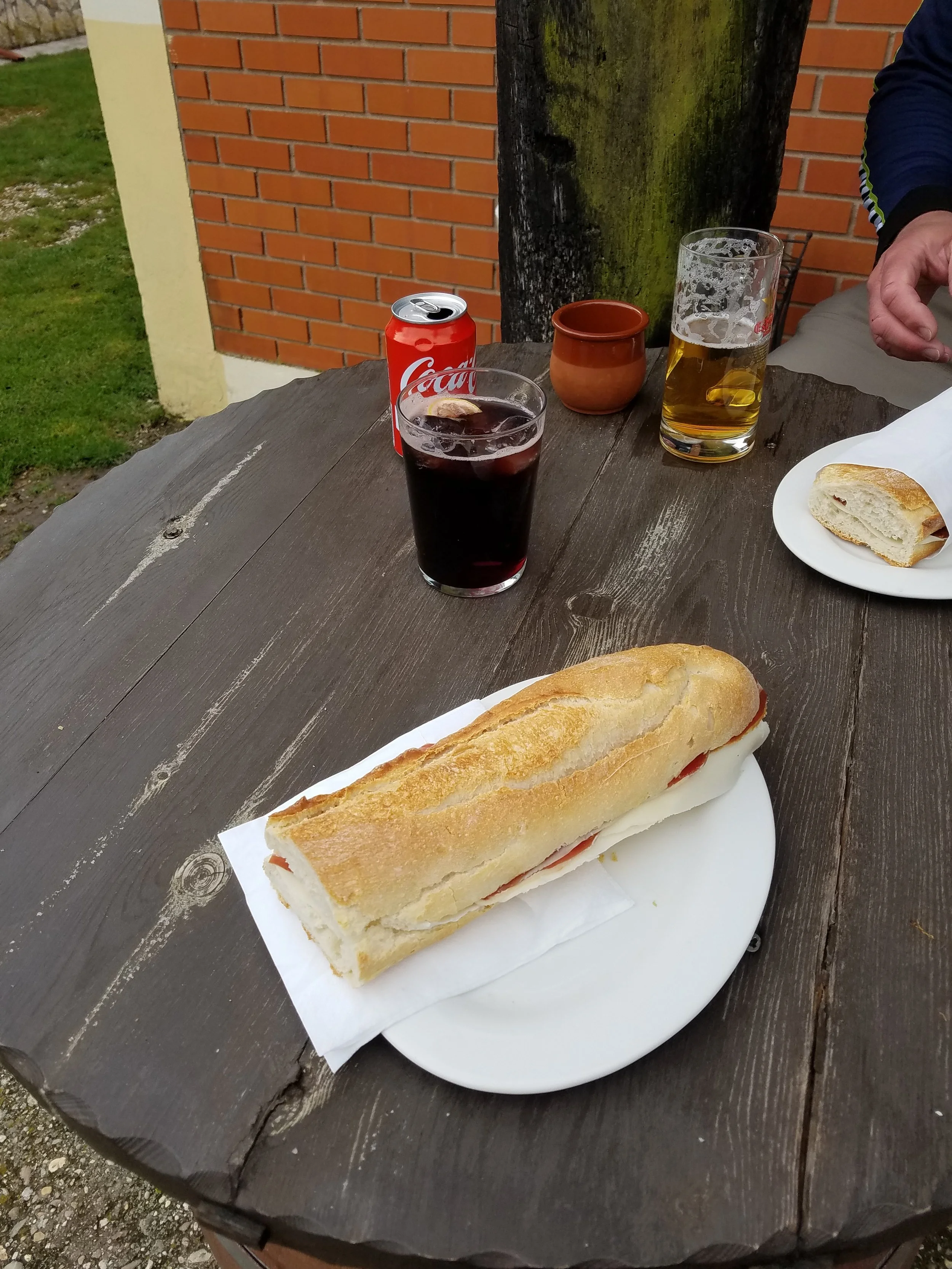
On the trail, the bars sell coffee, cold drinks, snacks and the bocadillo, a big crusty sandwich with ham, chorizo, cheese or tortilla. Some people complain about them. I love the darn things.
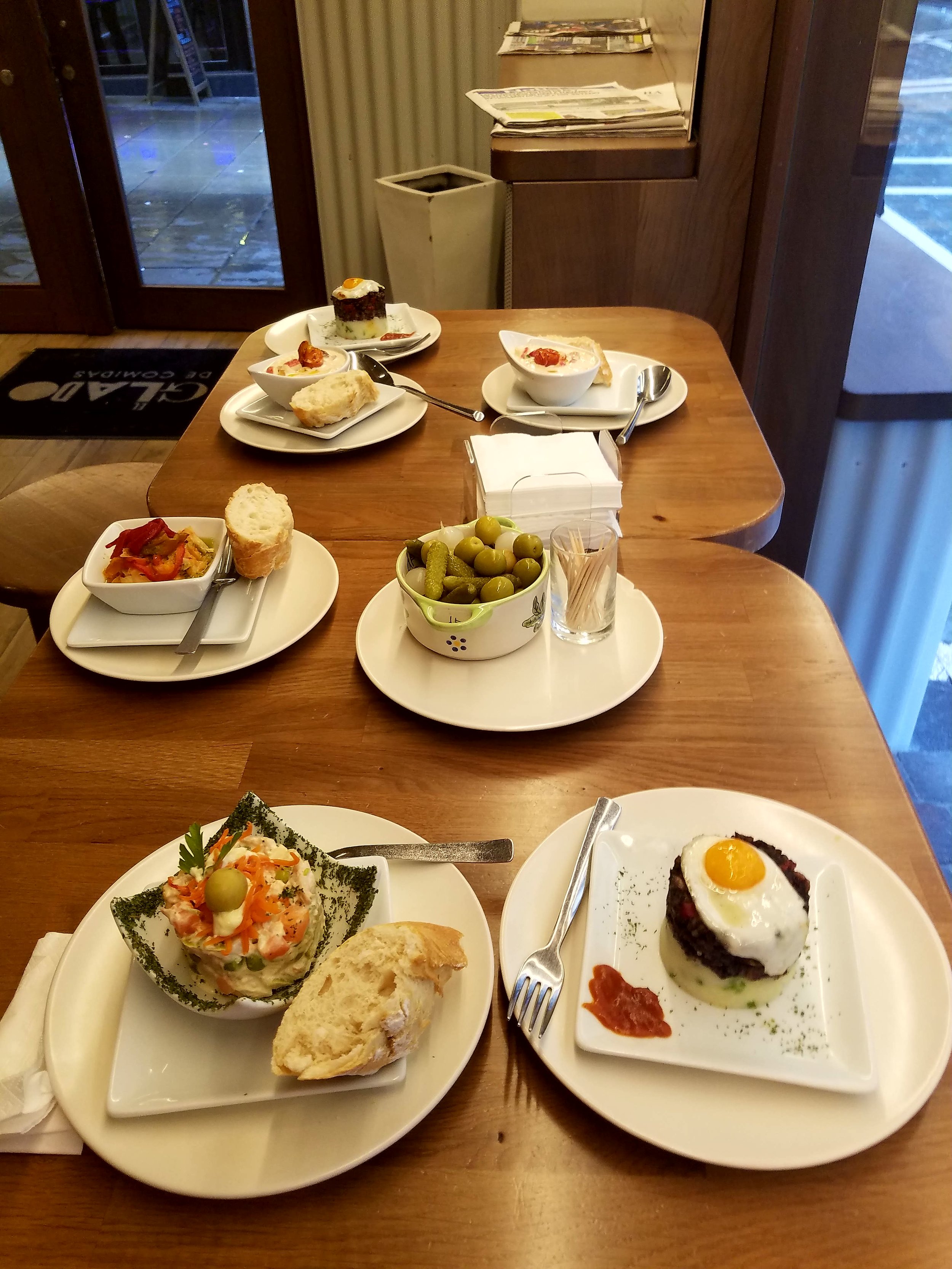
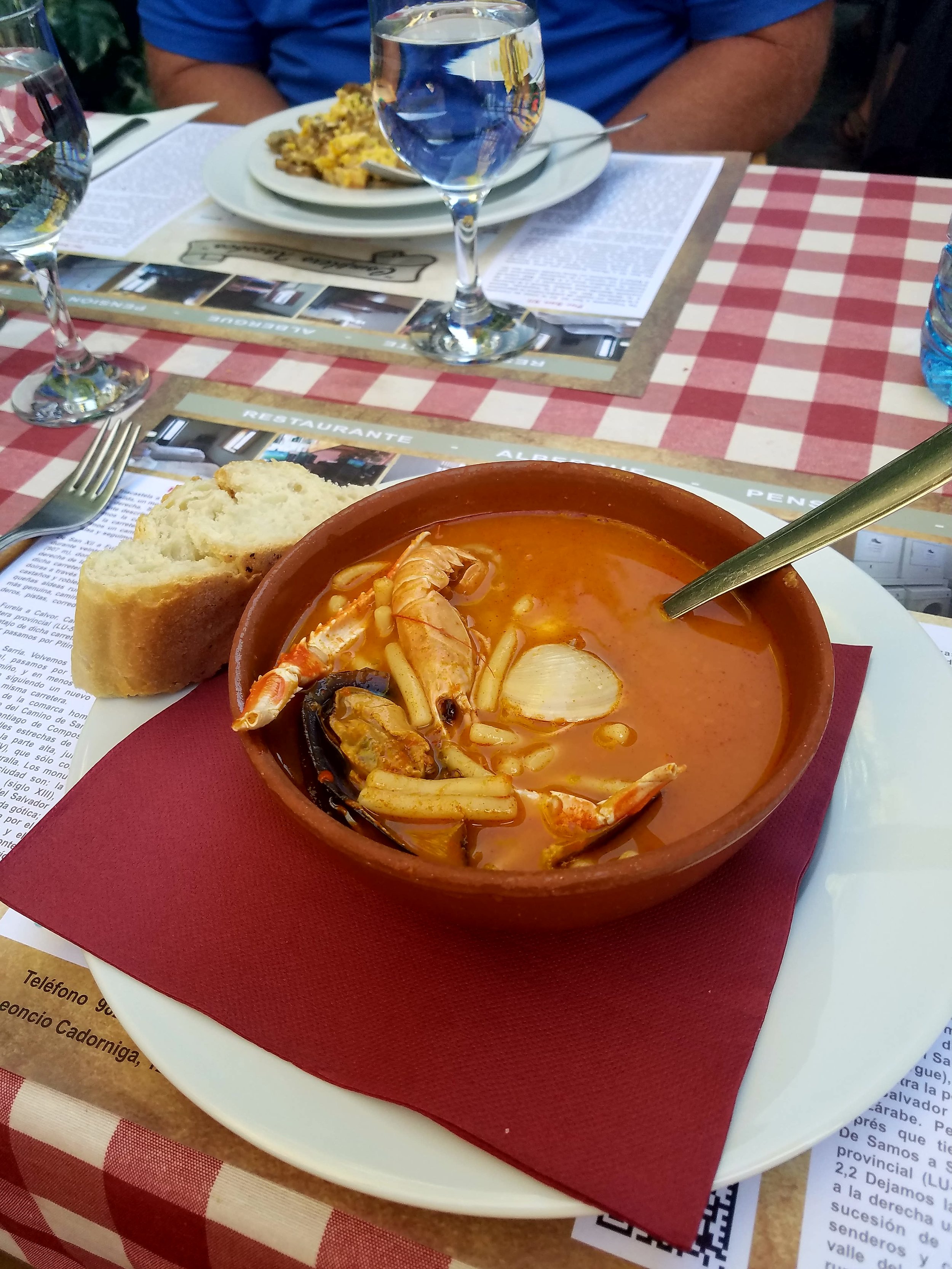
The pilgrim menu (menú del peregrino) is the best deal on the Camino. For around €13 to €16 you get a starter, a main course, dessert, bread, and water or wine. The portions are built for hungry walkers.
Cooking your own is cheaper, and many albergues have a kitchen. Grab bread, cheese, fruit, canned tuna, pasta and vegetables at the village market. Group dinners with other pilgrims are one of the best parts of the Camino.
What to carry in your daypack
Fruit, nuts, dried fruit, or a chocolate bar
Half a bocadillo from breakfast
Electrolyte tablets in warm weather
A small knife for bread and cheese (pack it in checked luggage or buy one in Spain)
A water bottle, at least 1 liter
Regional specialties to try
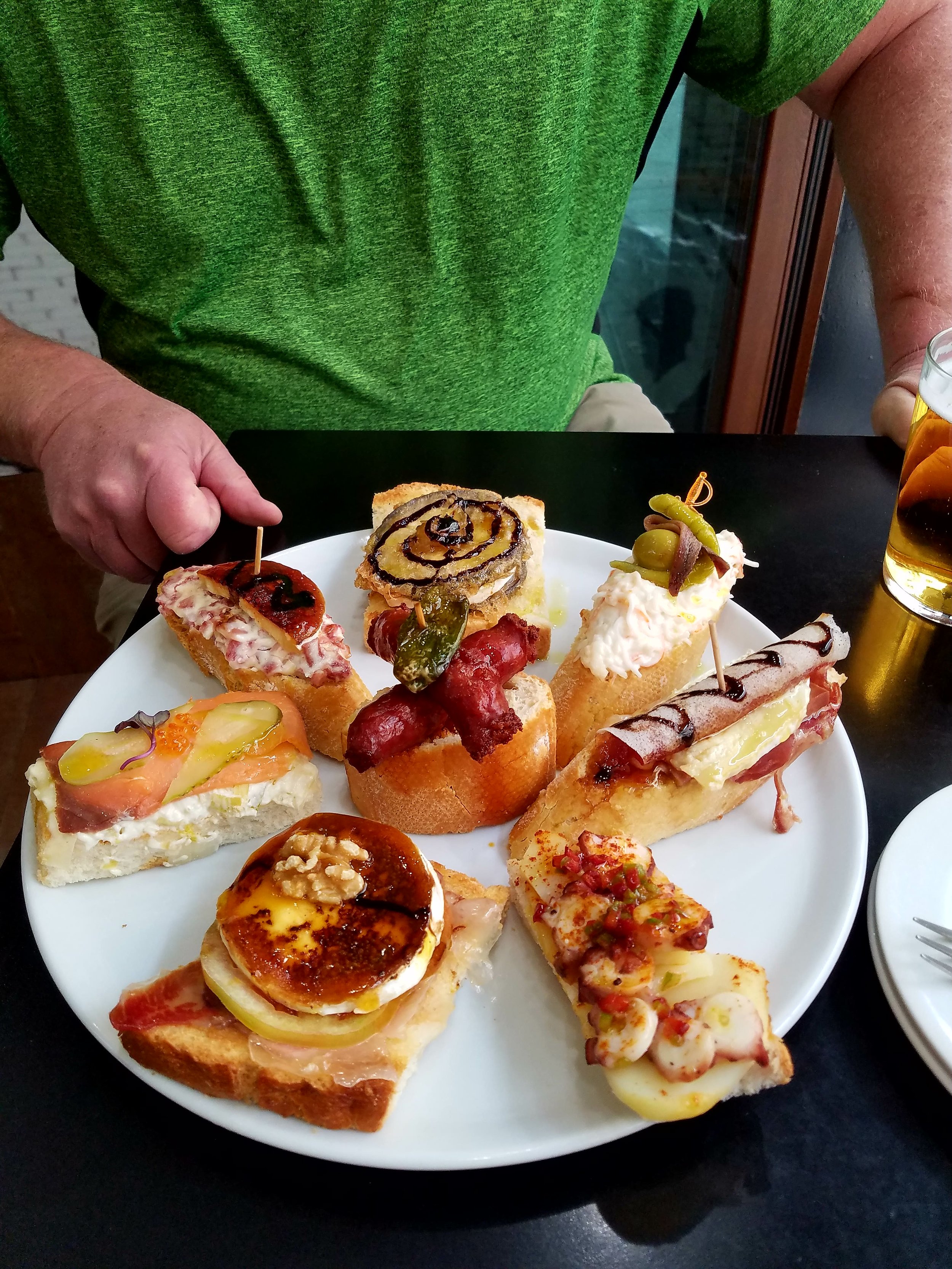
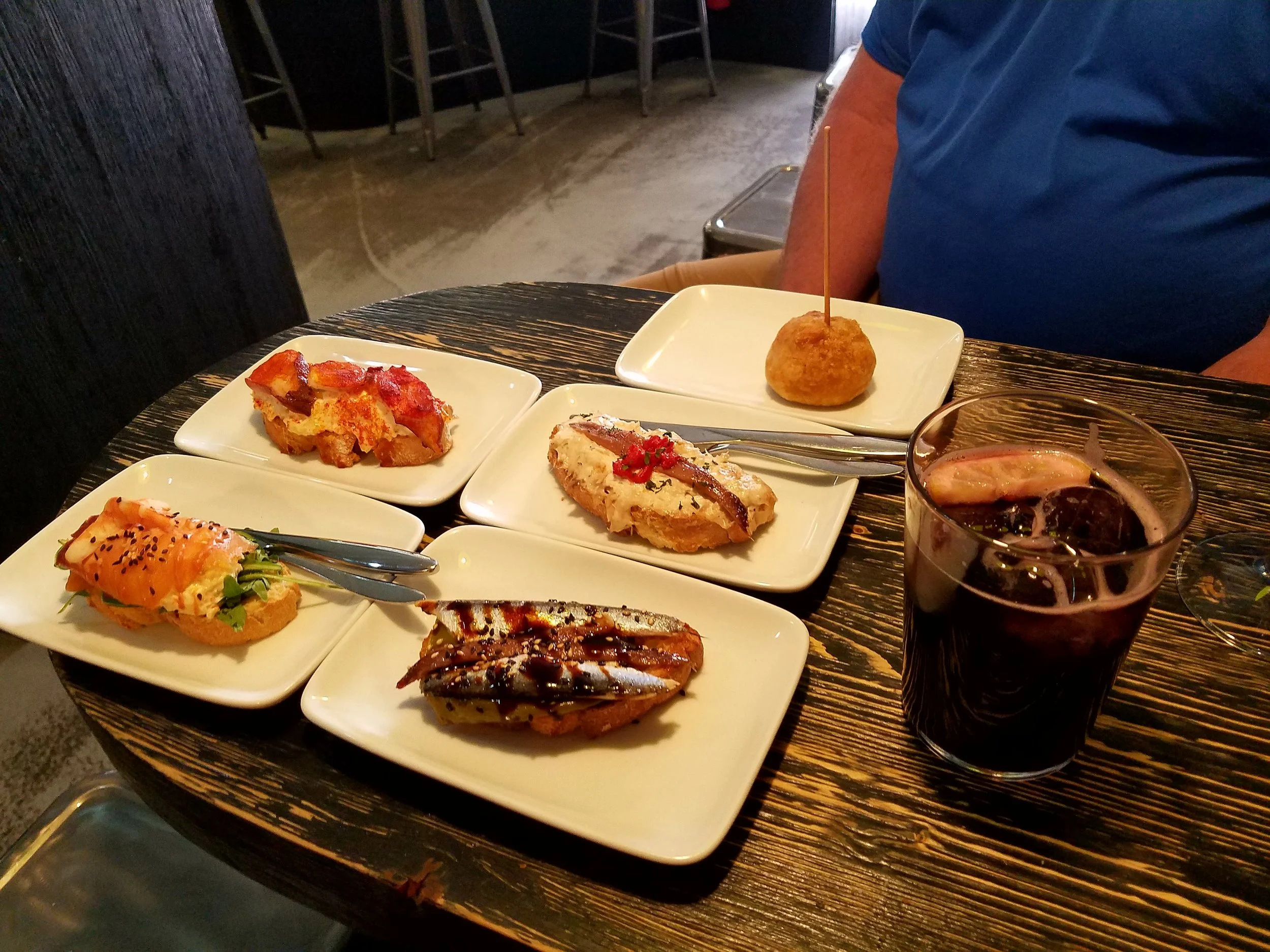
Navarra and La Rioja: pintxos in Pamplona and Logroño, and Rioja wine.
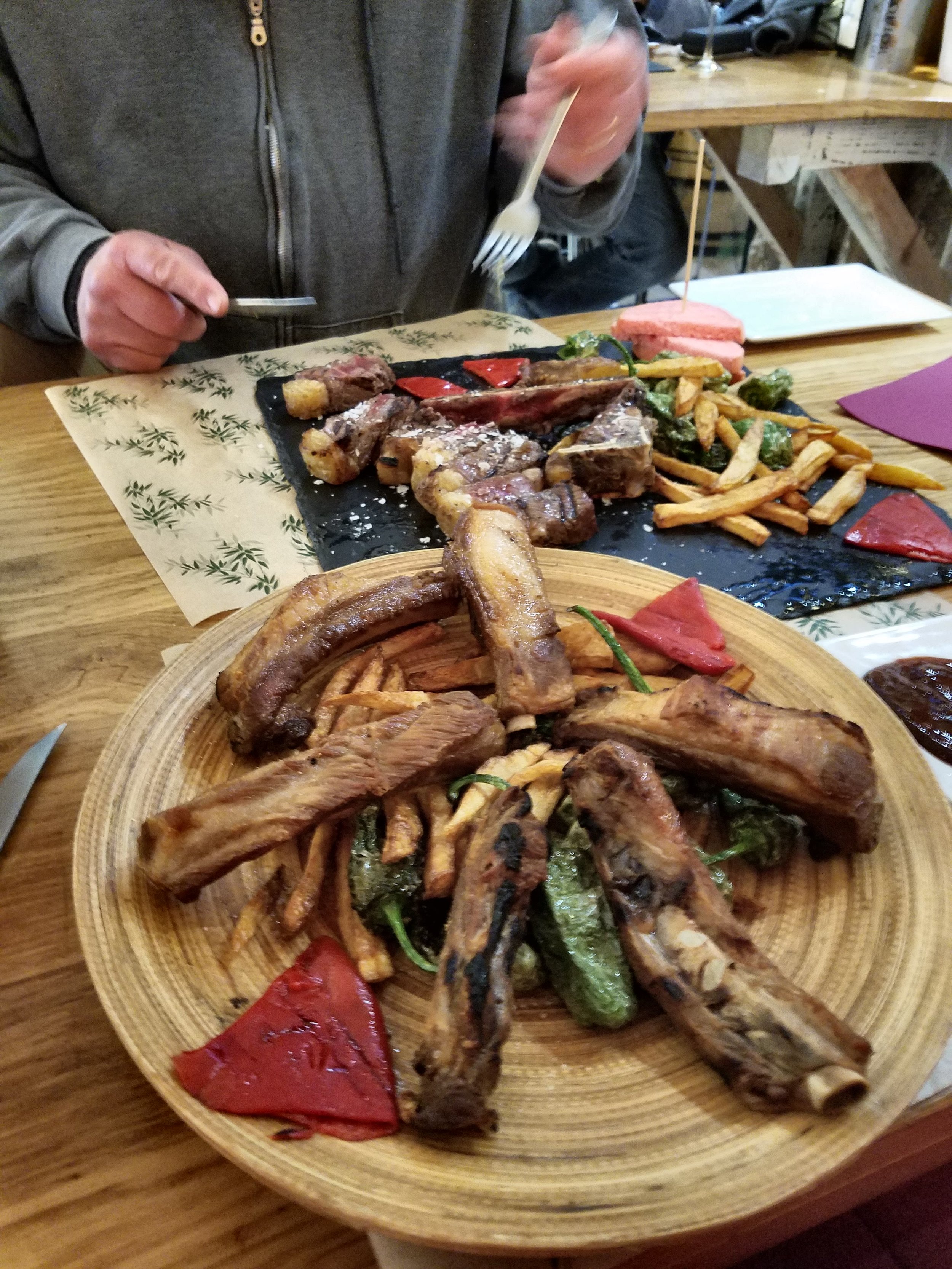
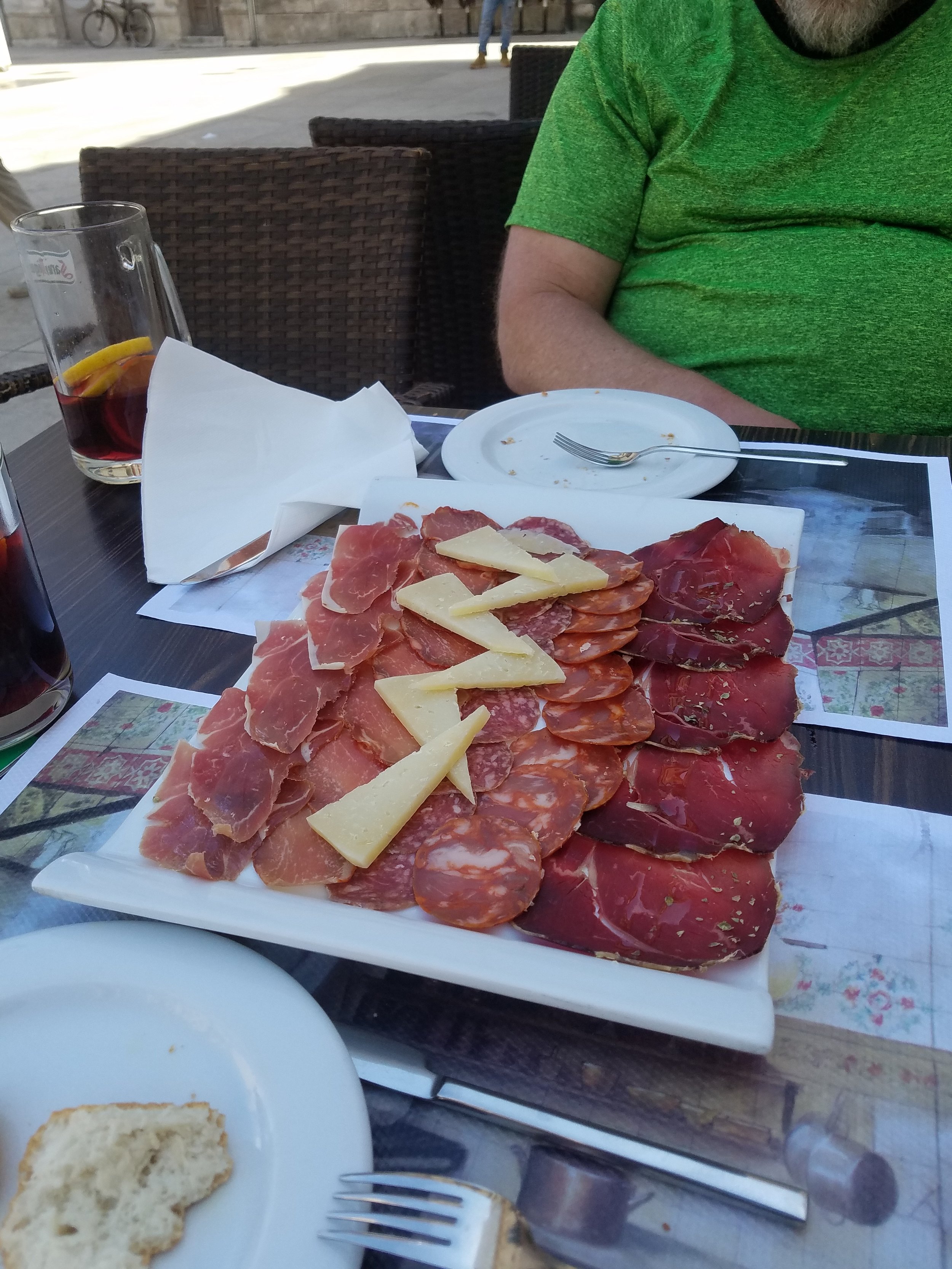
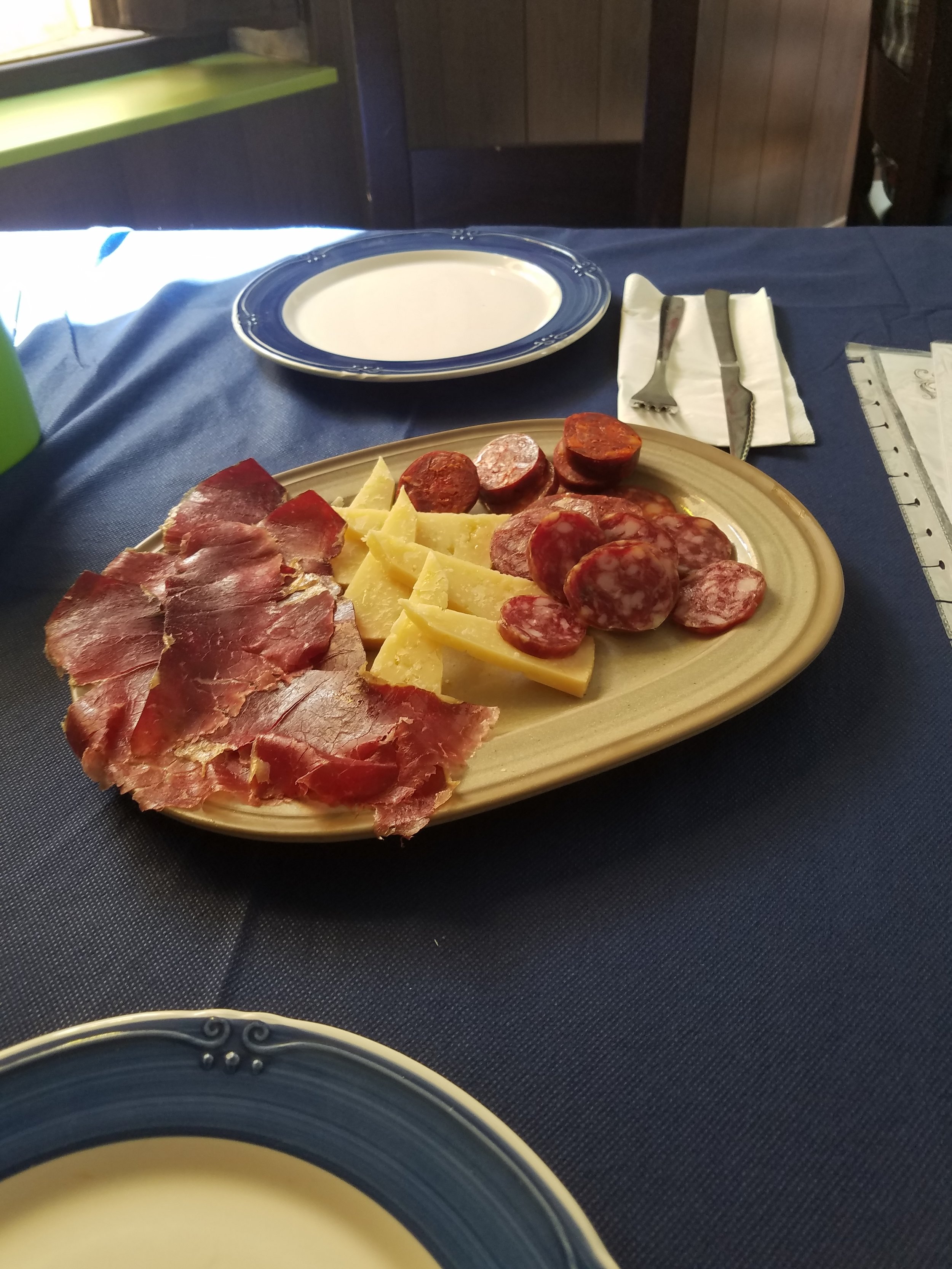
Castilla y León: roast meats, hearty soups, cecina (cured beef), and Bierzo wine.
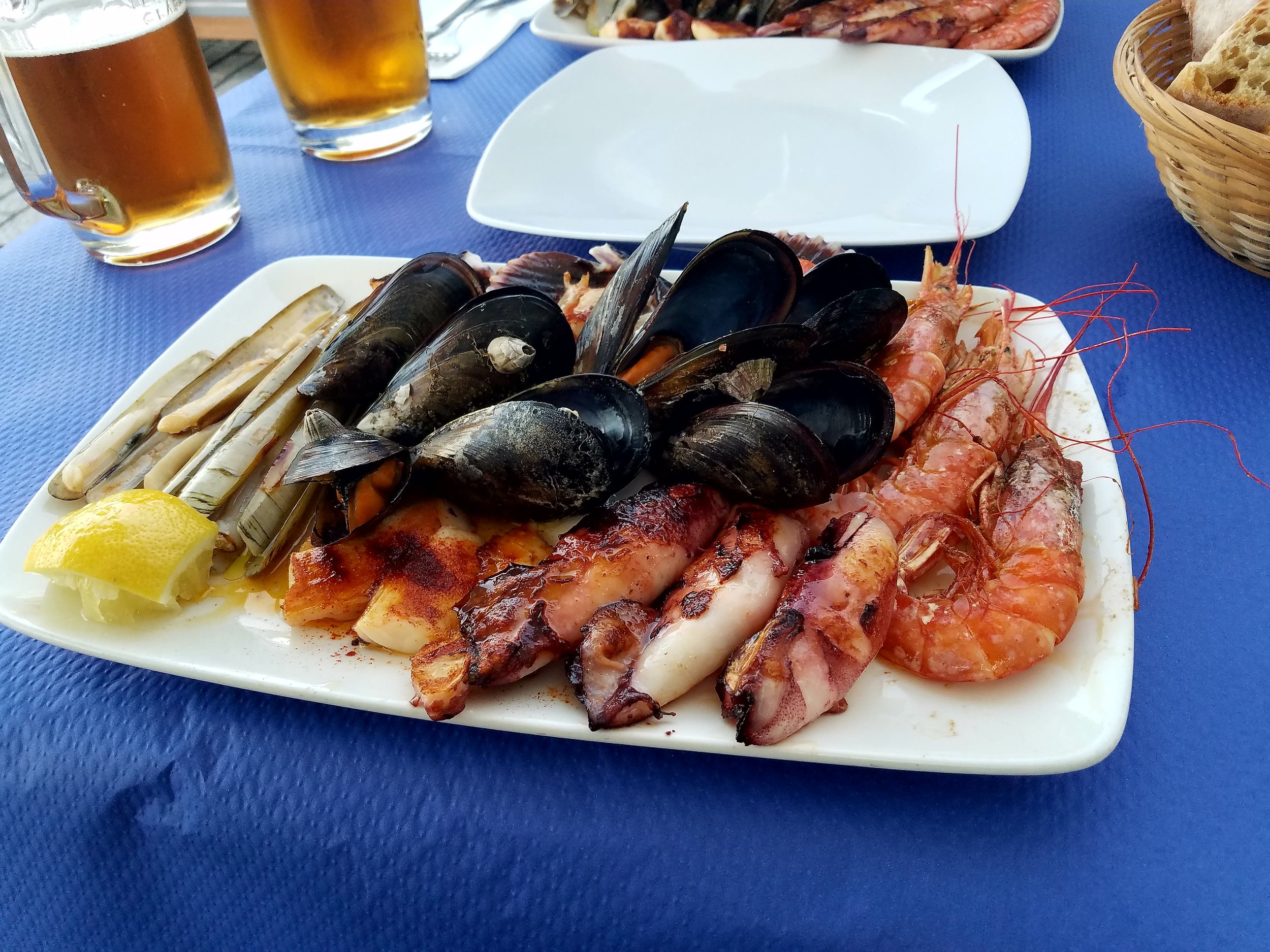
Galicia: pulpo a la gallega (octopus), caldo gallego (greens-and-potato soup), empanada gallega, and tarta de Santiago, the almond cake you'll see everywhere near the end.
Special diets
Vegetarian options are getting easier to find, but small villages may only have one bar and one menu. Carry backup food if you need it. If you have allergies, learn how to say them in Spanish or carry a printed card.