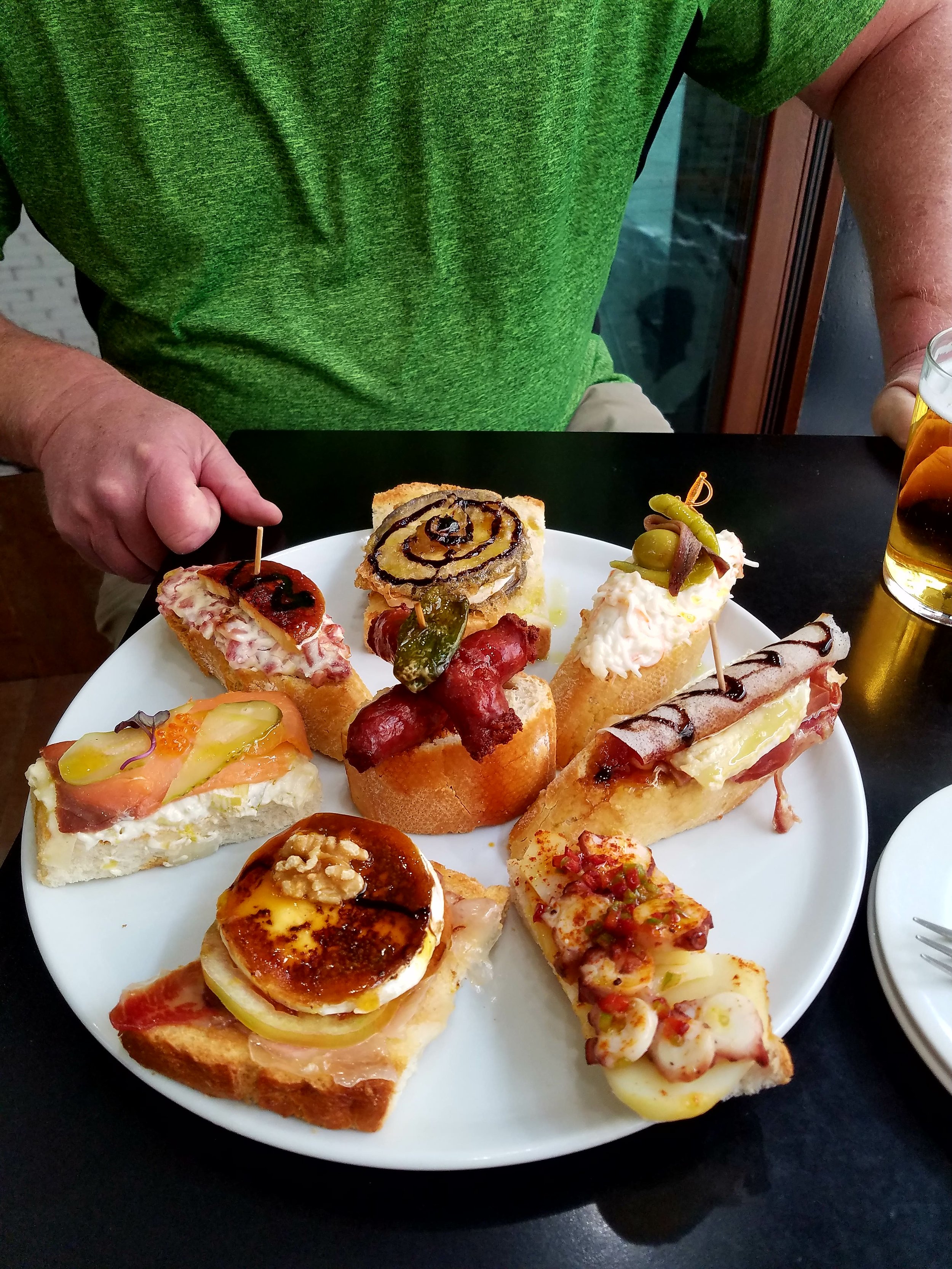
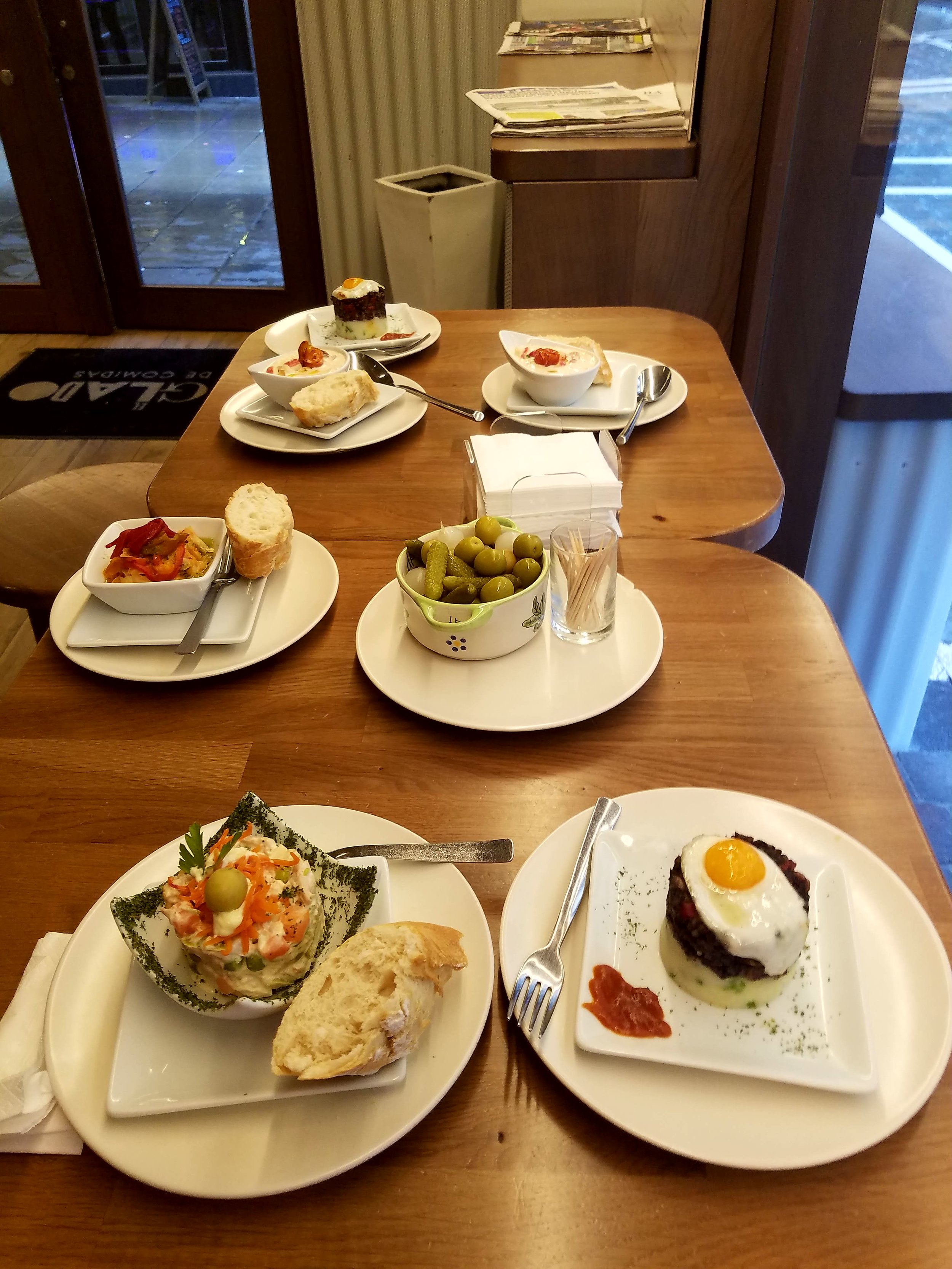
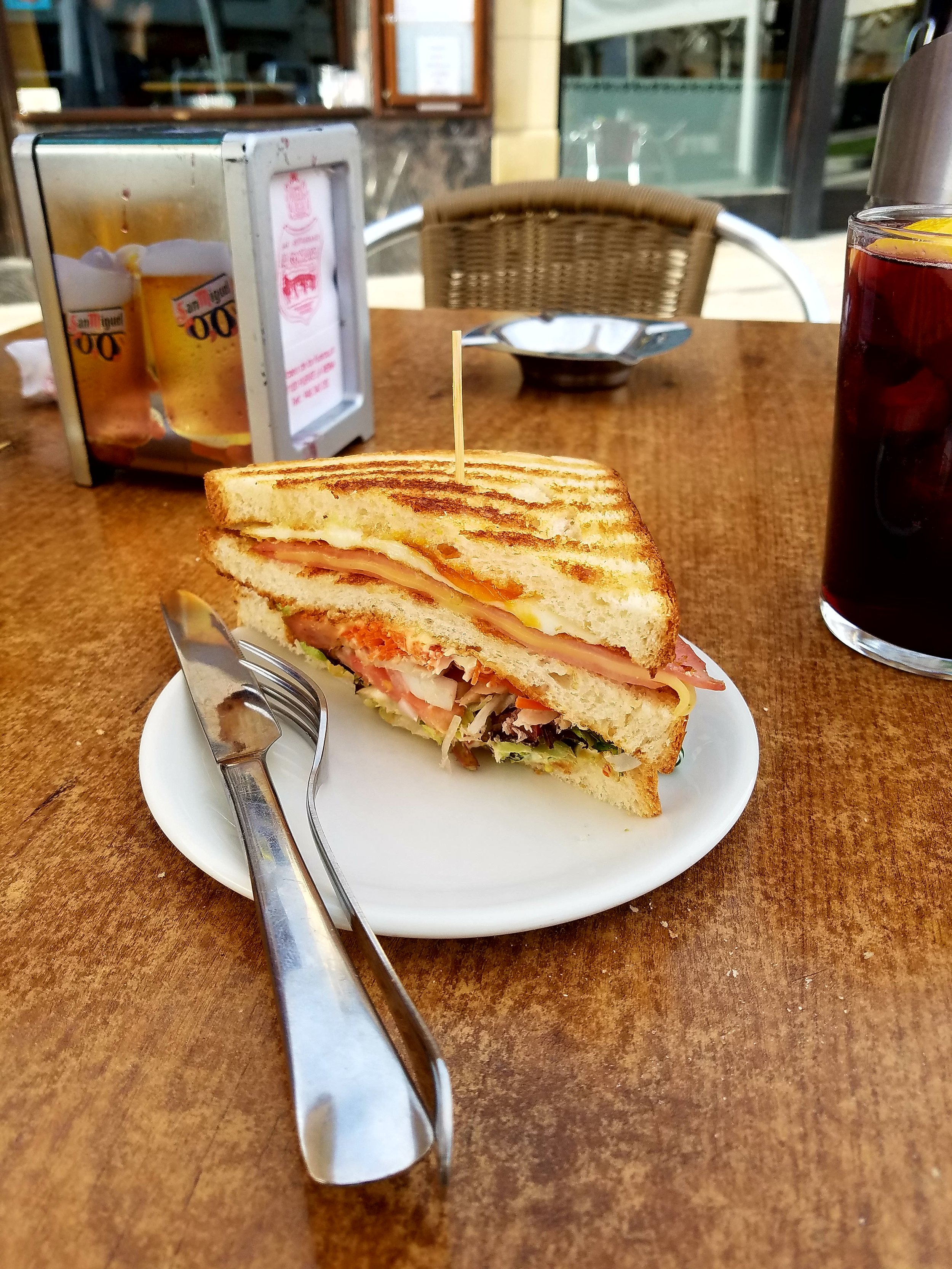
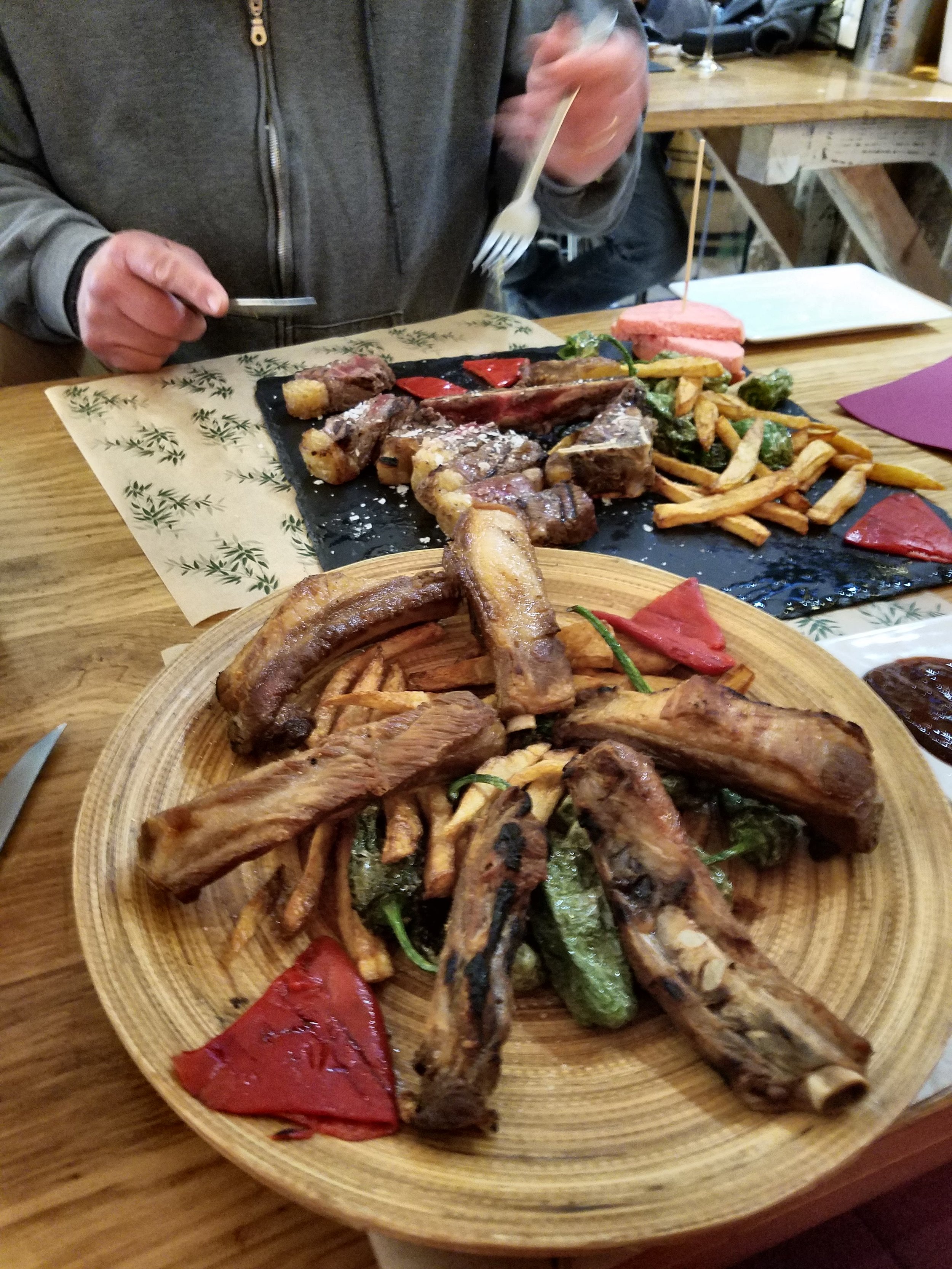
Food and Drink
When it comes to eating and drinking on the Camino, there are 2 different things to consider. The first is properly fueling your body for the long distance endurance effort you are putting it through, the second is the unavoidable fact that Spain has some world class food!
Endurance nutrition
Let’s tackle the endurance sport nutrition aspect first. Over a long camino, you will burn a fantastic number of calories each day. Most pilgrims lose well over 10lbs on an average full camino(30+ days). Unfortunately, a lot of this weight loss is muscle deterioration. As you are walking, your body is burning off stored energy. Once that stored energy is gone, usually in about 90 mins, your body starts using muscle and fat cells for power and you lose valuable muscle mass.
Luckily you can combat this. By feeding your engine every 90 minutes or so you can delay your body using other energy sources. A simple snack of a half apple, small orange or other fruit can give you a natural boost and stave off muscle loss. You will still lose some, but not as much as if you went unfed.
Recovery is another very important aspect of your diet on the Camino. While it will be very tempting to jump into big piles of random goodies, mindful eating can make your you stay healthy and strong the whole way.
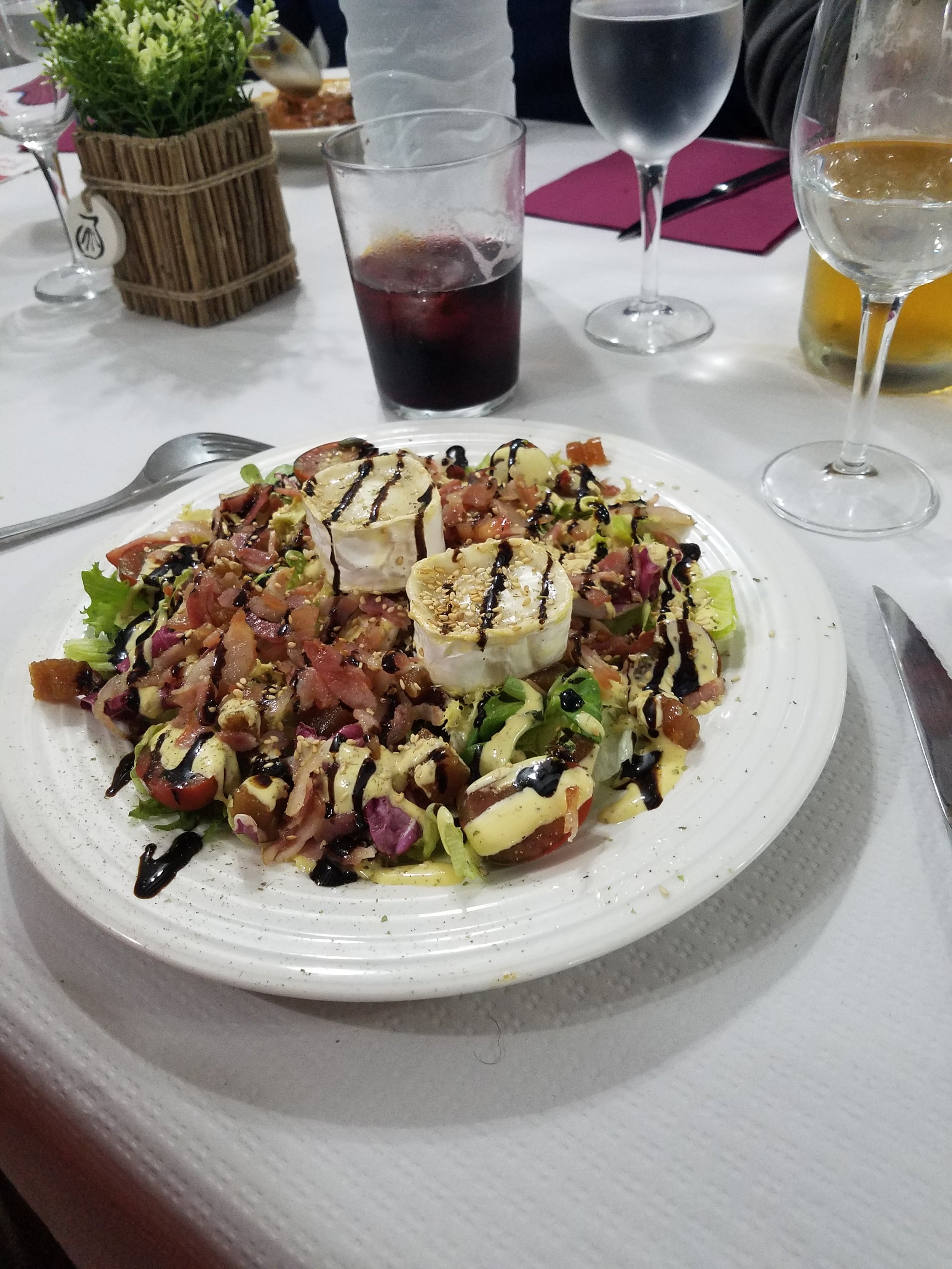
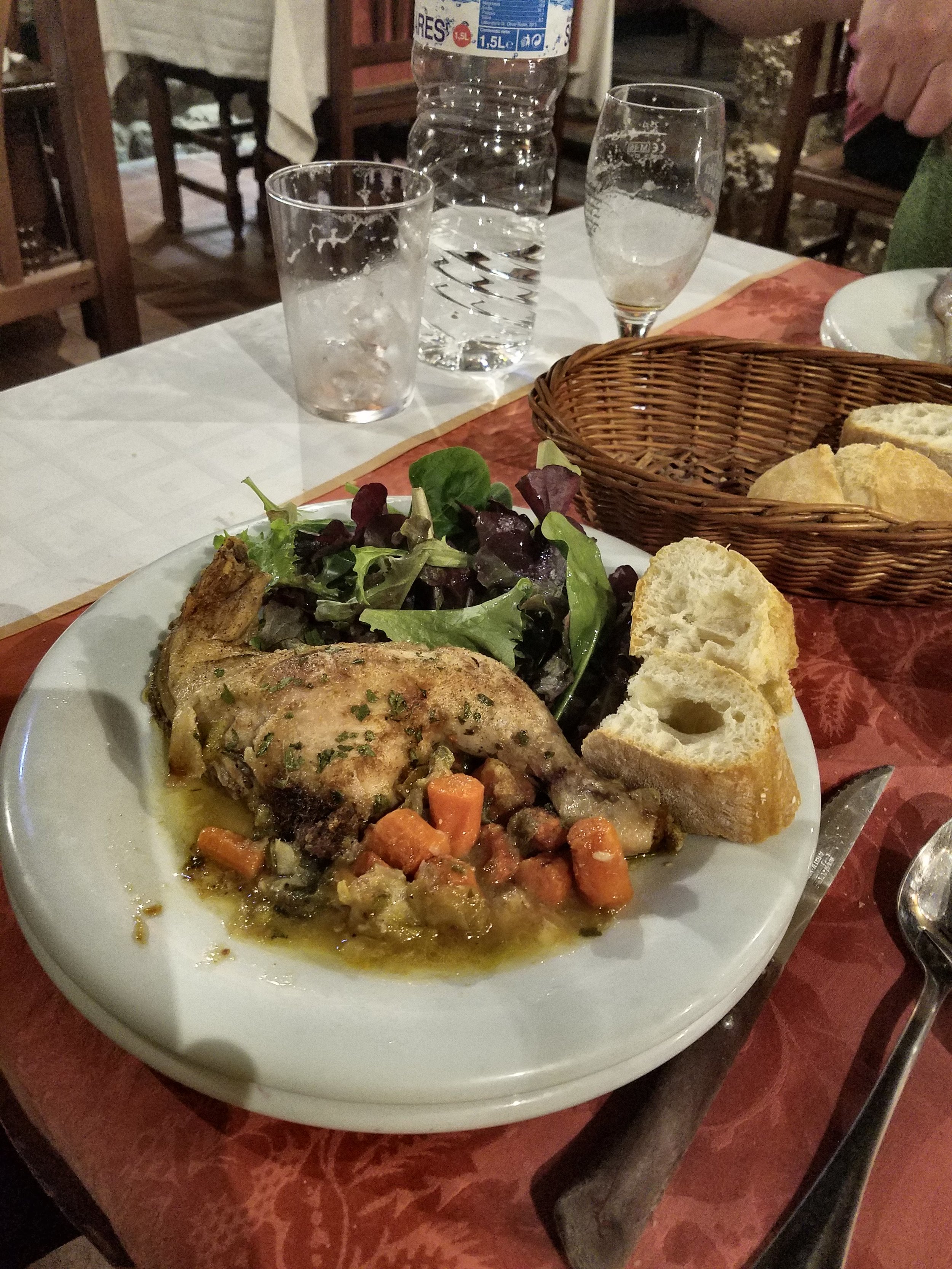
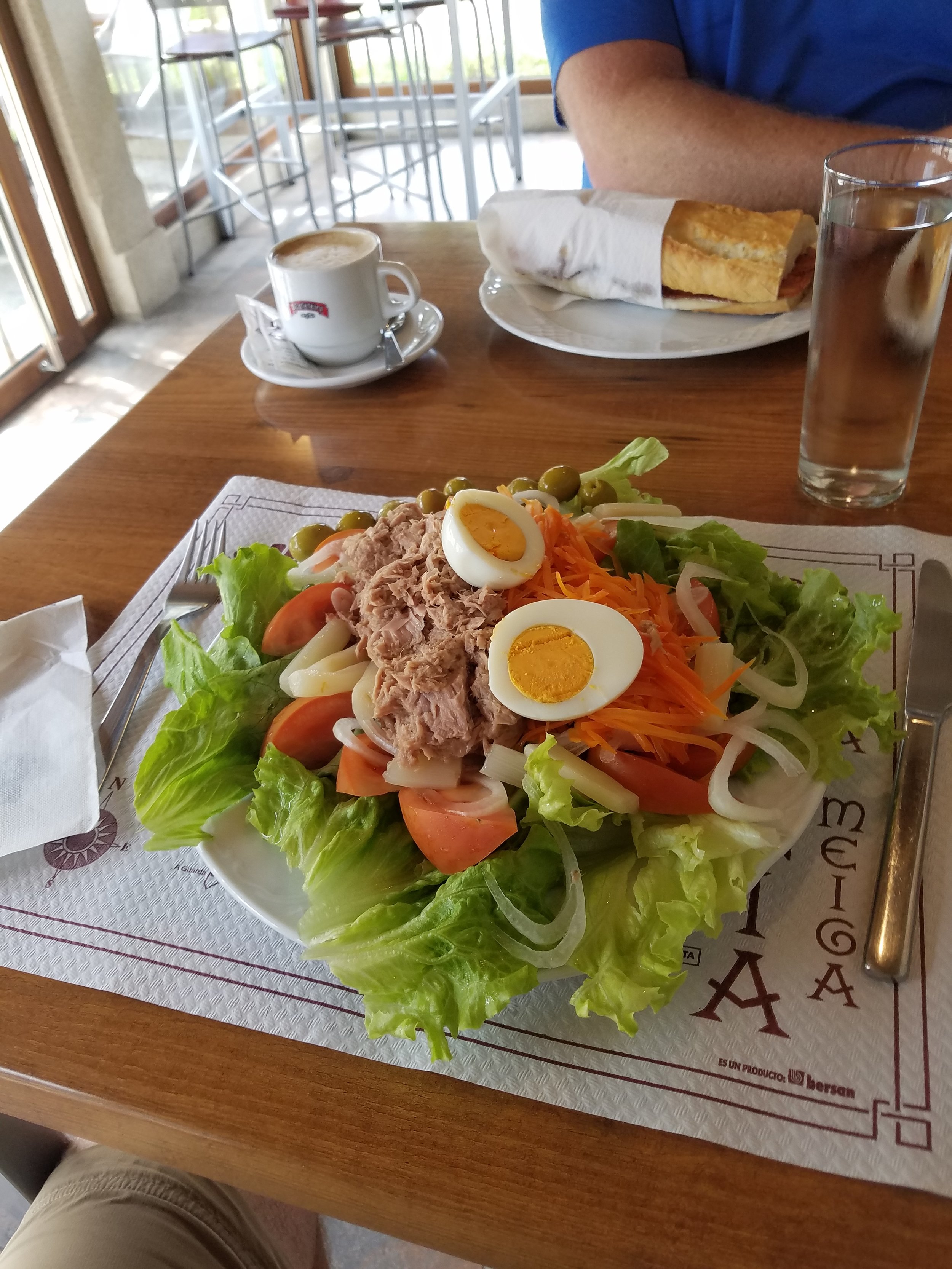
In order to rebuild damaged and lost muscle you will need to make sure to consume good quality protein in larger than normal amounts. Carbs are good for energy, but protein is your primary rebuilding material. Consider substituting a big mixed salad with eggs and tuna rather than a pasta dish for your lunch or first evening course. Concentrate on protein heavy main dishes(Spanish stewed chicken can be found nearly daily!) and save your carb intake for a superb Spanish dessert.
Hydration
Proper hydration on the Camino de Santiago is essential for endurance, comfort, and health.
Drink regularly in small amounts rather than waiting until you feel very thirsty. Aim for roughly 2–3 liters per day, adjusting up in hot weather or during very long, strenuous stages.
Start each morning with water and top up whenever you pass albergues or cafés. Carry a refillable bottle or bladder to avoid plastic waste and ensure you always have access to fluids.
Include electrolyte-replenishing drinks or tablets after long, hot stages to replace sodium and potassium lost through sweat.
Balance fluids with light salty snacks and a mix of carbohydrates and protein to maintain energy and help the body retain fluids.
Be mindful of signs of dehydration—dark urine, headache, dizziness—and of overhydration—nausea, confusion, excessively clear urine. Adjust your intake accordingly and seek medical help if symptoms worsen.
JUST GOOD FOOD
Food on the Camino de Santiago emphasizes simple, nourishing, portable, and affordable options that keep you fueled for long walking days. Below is an overview of common pilgrim-friendly foods you’ll find along the route, what to pack, where to eat, and basic tips for eating on the trail.
Typical pilgrim foods to buy along the way
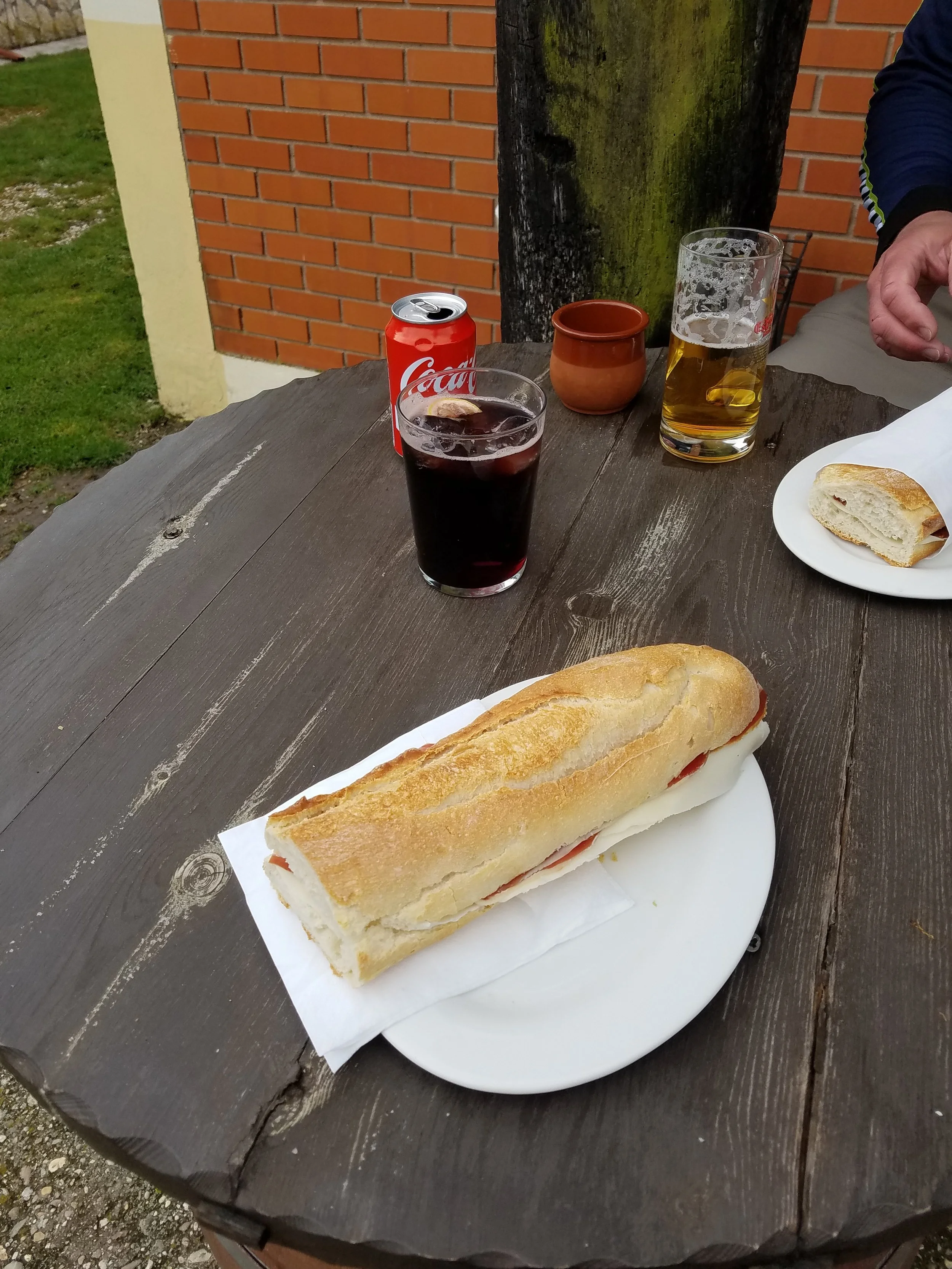
Fresh bread and baguettes: Found at bakeries and markets; great for sandwiches or with cheese.
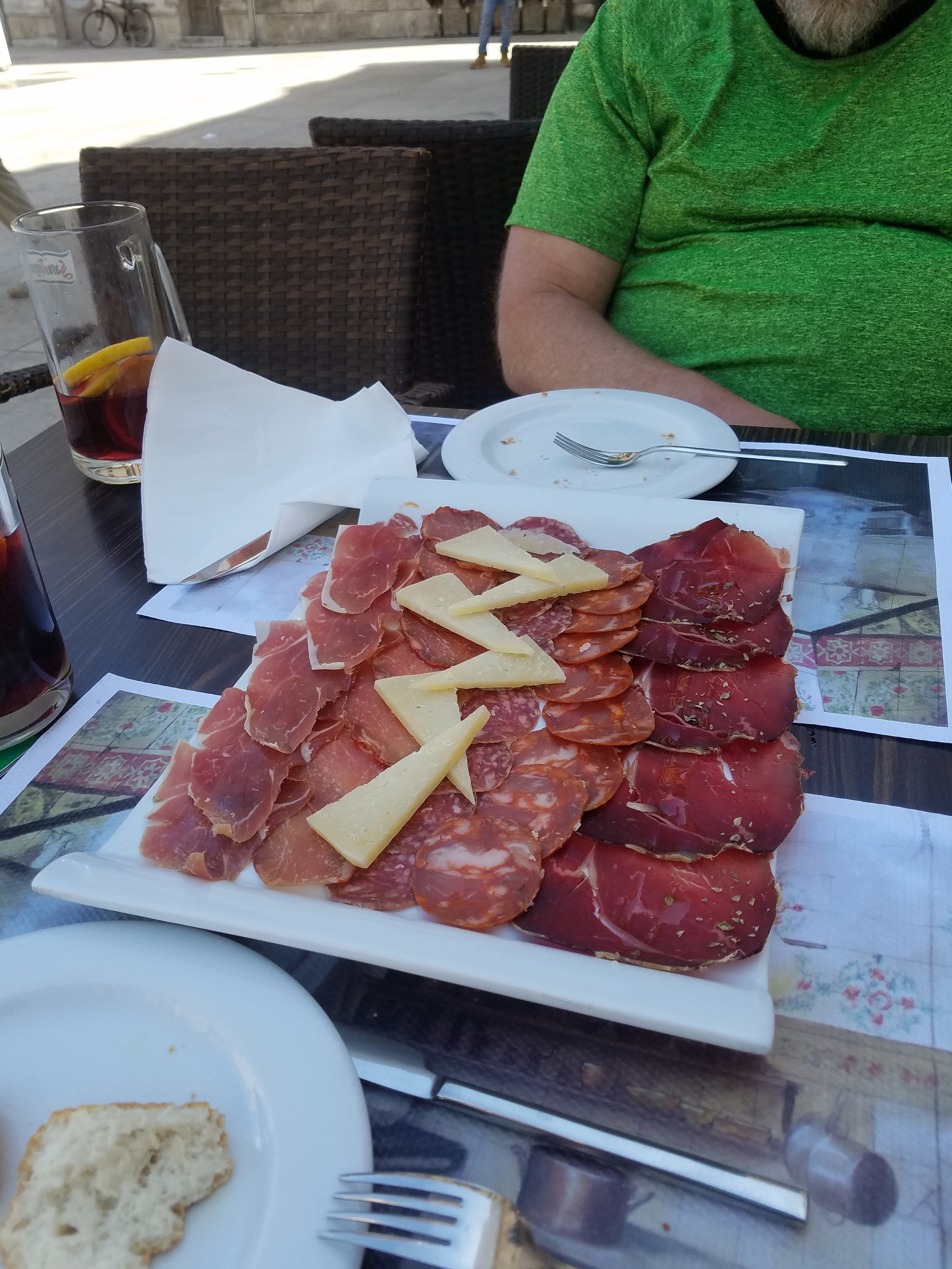
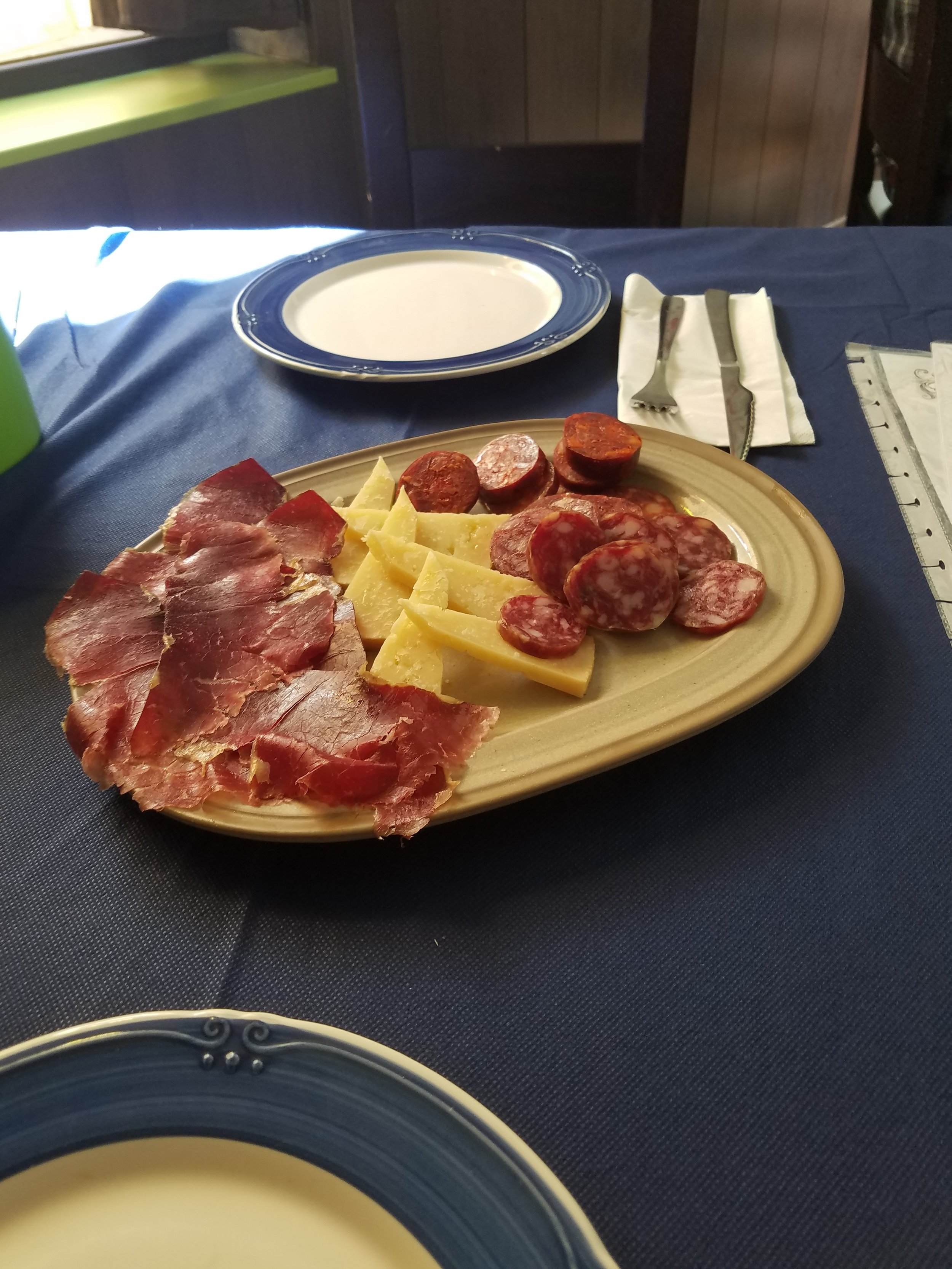
Cured meats and cheeses: Jamón, chorizo, salchichón, local cheeses—high energy and no refrigeration for short periods.
Canned goods: Tuna, mackerel, sardines, beans; convenient and protein-rich.
Fruit: Apples, bananas, oranges, pears—easy, hydrating snacks.
Yogurt: Available in shops and supermarkets; good for breakfast or snacks when refrigerated.
Olives and pickles: Flavorful, salty snacks that help replace electrolytes.
Nuts and dried fruit: Compact, calorie-dense trail food.
Energy bars and granola bars: Widely available and useful between towns.
Pastries and sweets: Empanadas, croissants, and local cakes provide quick carbs.
Pre-made salads and sandwiches: Sold at supermarkets and some cafés for immediate meals.
Vegetables: Tomatoes, cucumbers, and peppers for simple, fresh sandwiches or salads.
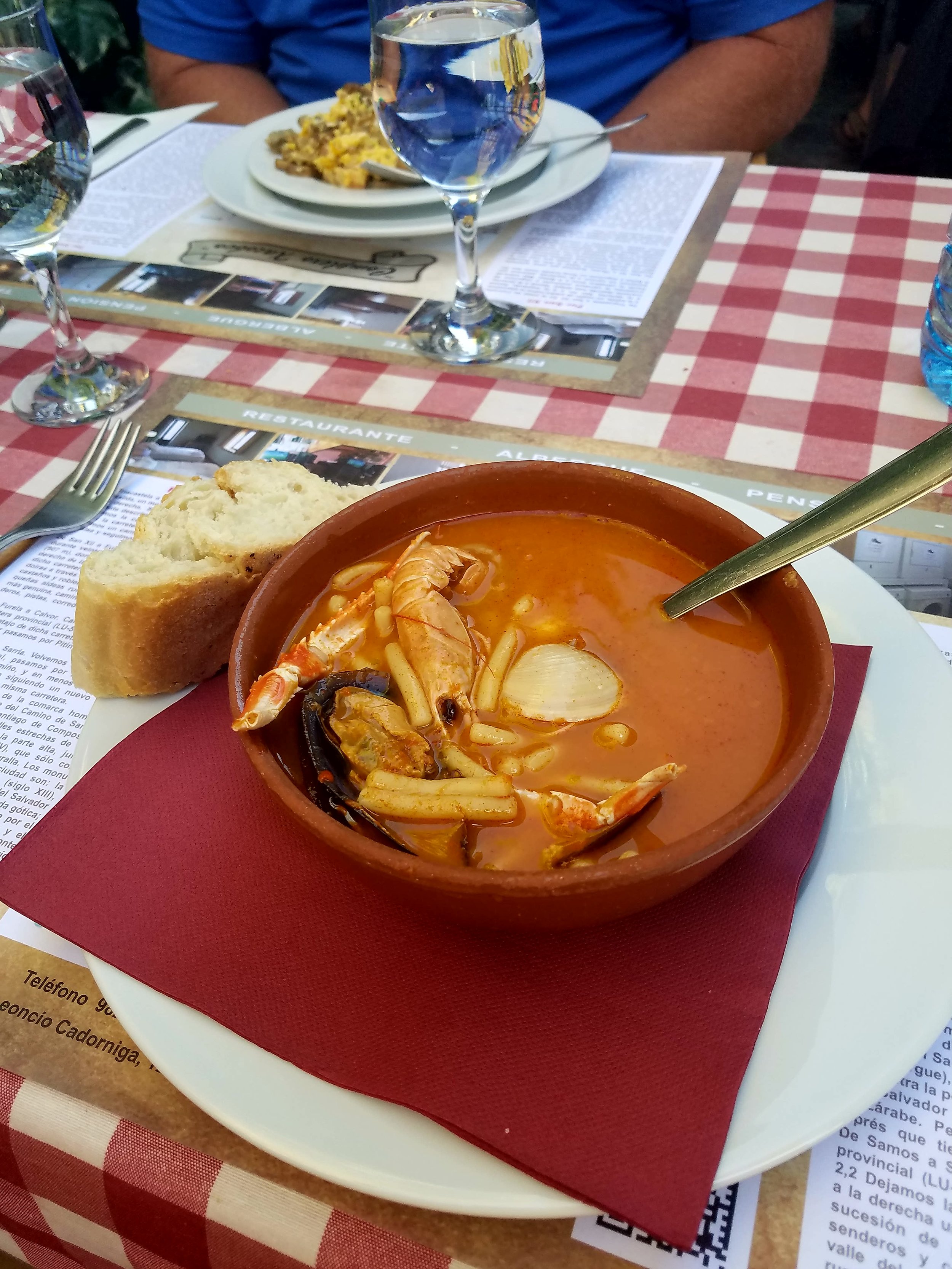
Soup and caldo gallego: Hearty broths and traditional stews in restaurants, especially in Galicia.
Meals and where to eat
Pilgrim menu (menú del peregrino): Many restaurants offer a fixed-price set menu in the afternoon/evening. Typically includes starter, main course, dessert, bread, and drink at a budget-friendly price. Portions are generous and designed to satisfy walkers.
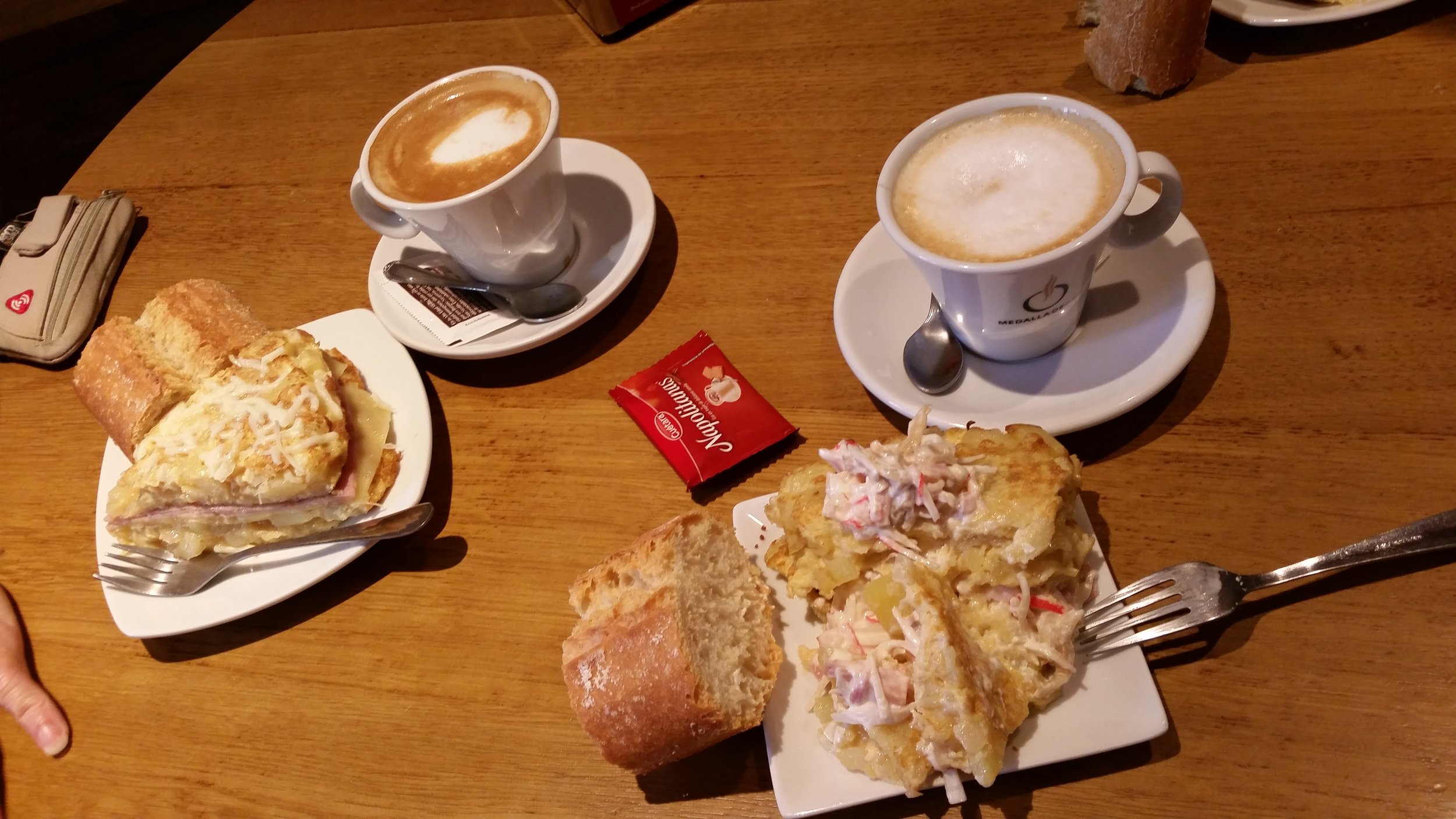
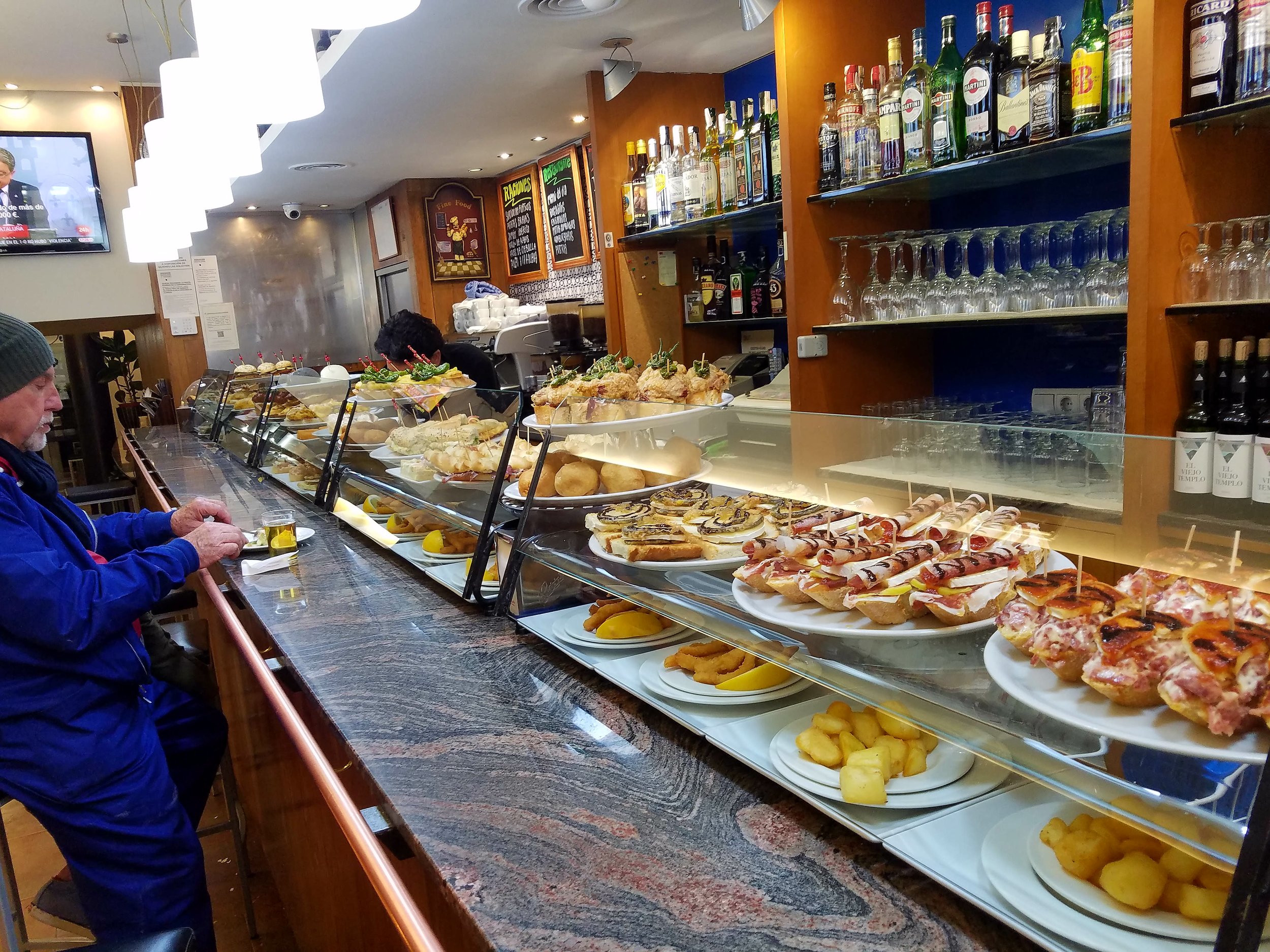
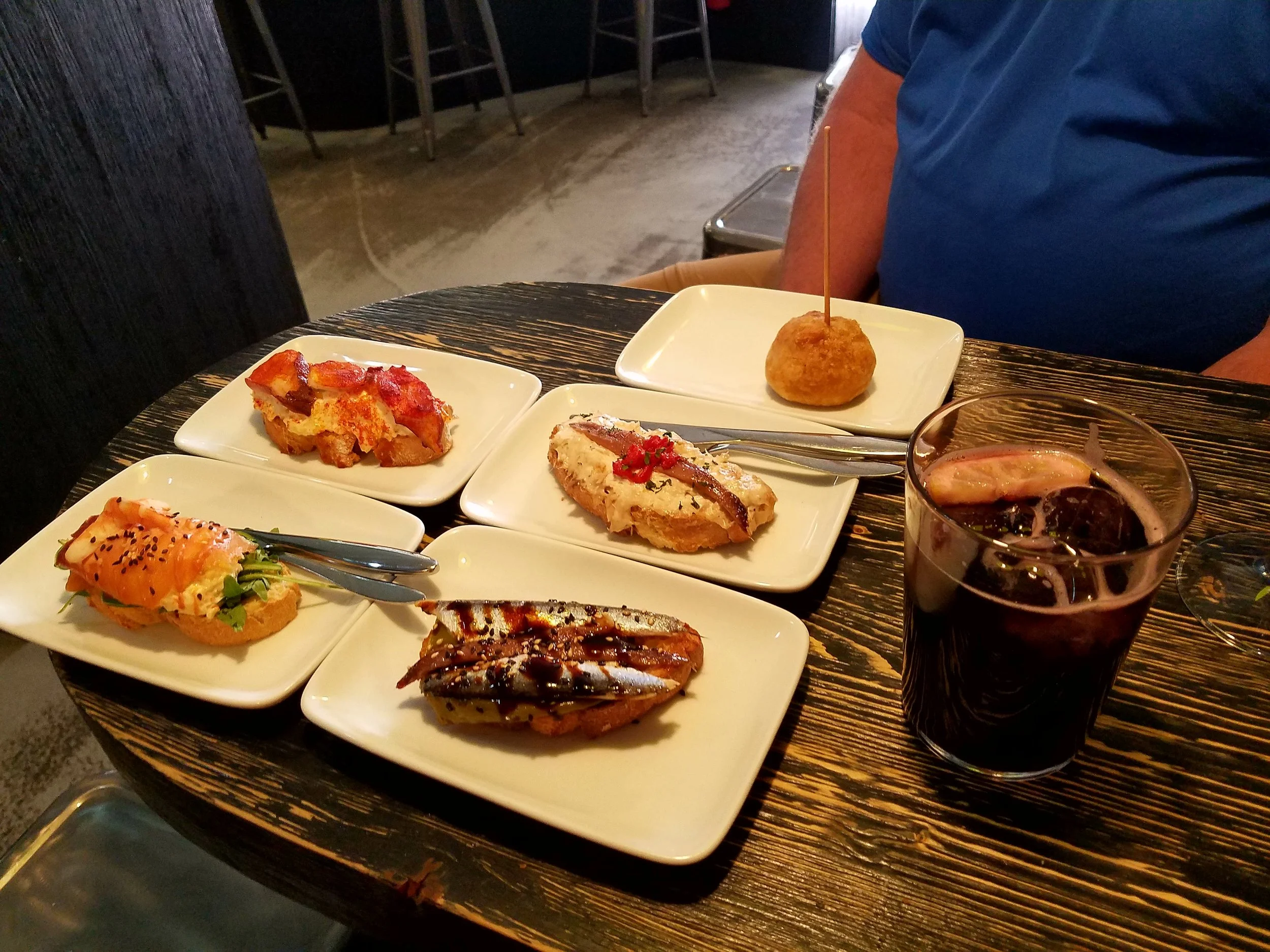
Bars and cafés: Good for quick breakfasts (coffee and tostada), bocadillos (Spanish sandwiches), and snacks.
Bakeries and supermarkets: For self-catering, especially useful if you have kitchen access in albergues or want to assemble picnics.
Albergues: Some offer communal kitchens where you can prepare basic meals; others serve simple dinners for residents.
Markets: Local markets are great for fresh produce, cheeses, and regional specialties.
Foods to pack in your day pack
Lightweight snacks: Nuts, dried fruit, energy bars, chocolate.
A sandwich or bocadillo: Easy to eat while resting; choose cured meats/cheese or vegetable fillings.
Rehydration options: Electrolyte powders or salt tablets if you sweat heavily.
Compact protein: Tuna pouches, jerky, single-serve nut butter.
Small knife or multi-tool: For slicing bread/cheese, if not provided.
Simple breakfast ideas
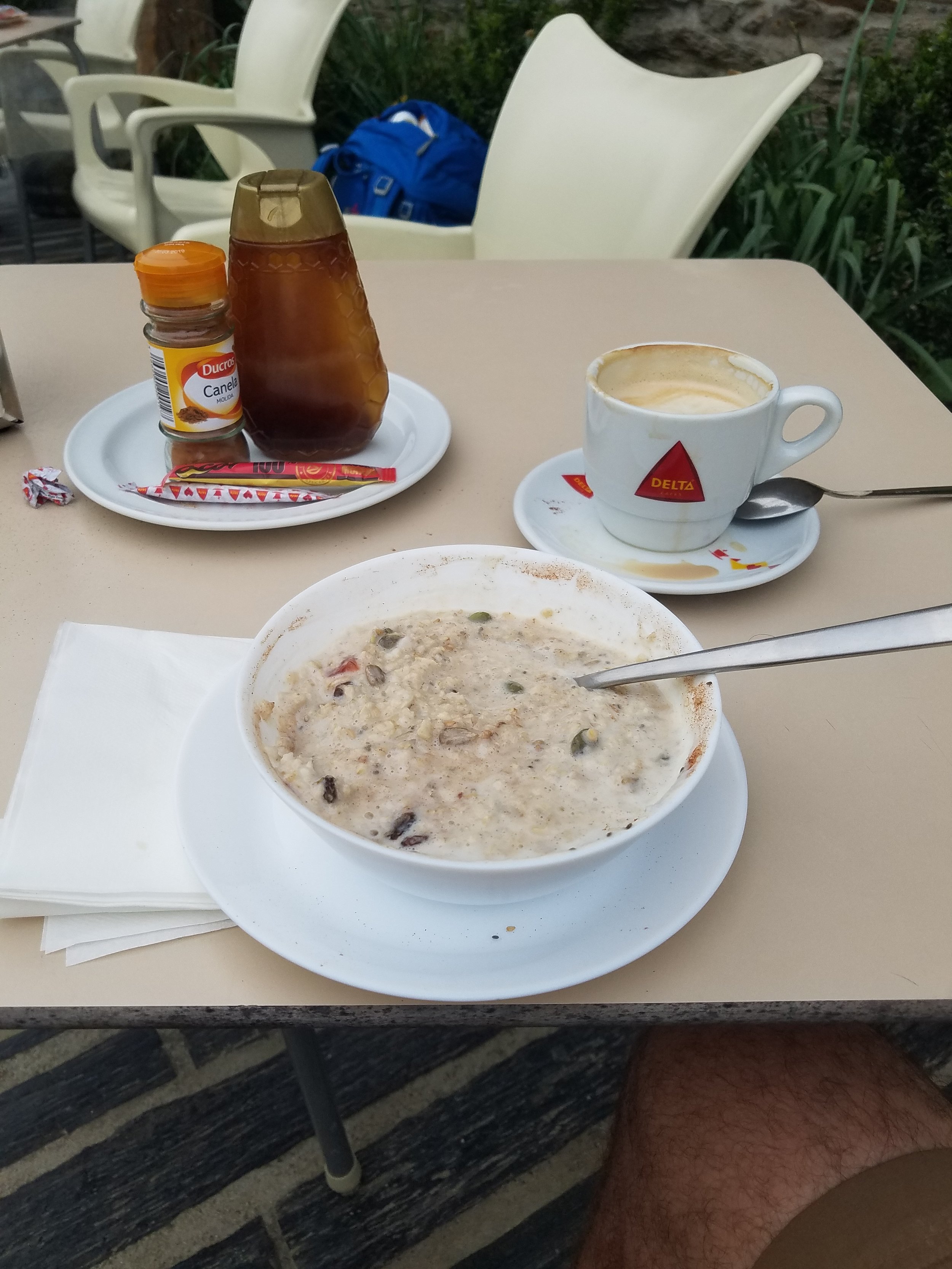
Coffee or tea and tostada with jam or olive oil.
Yogurt with granola and fruit.
Bread with cheese or jam.
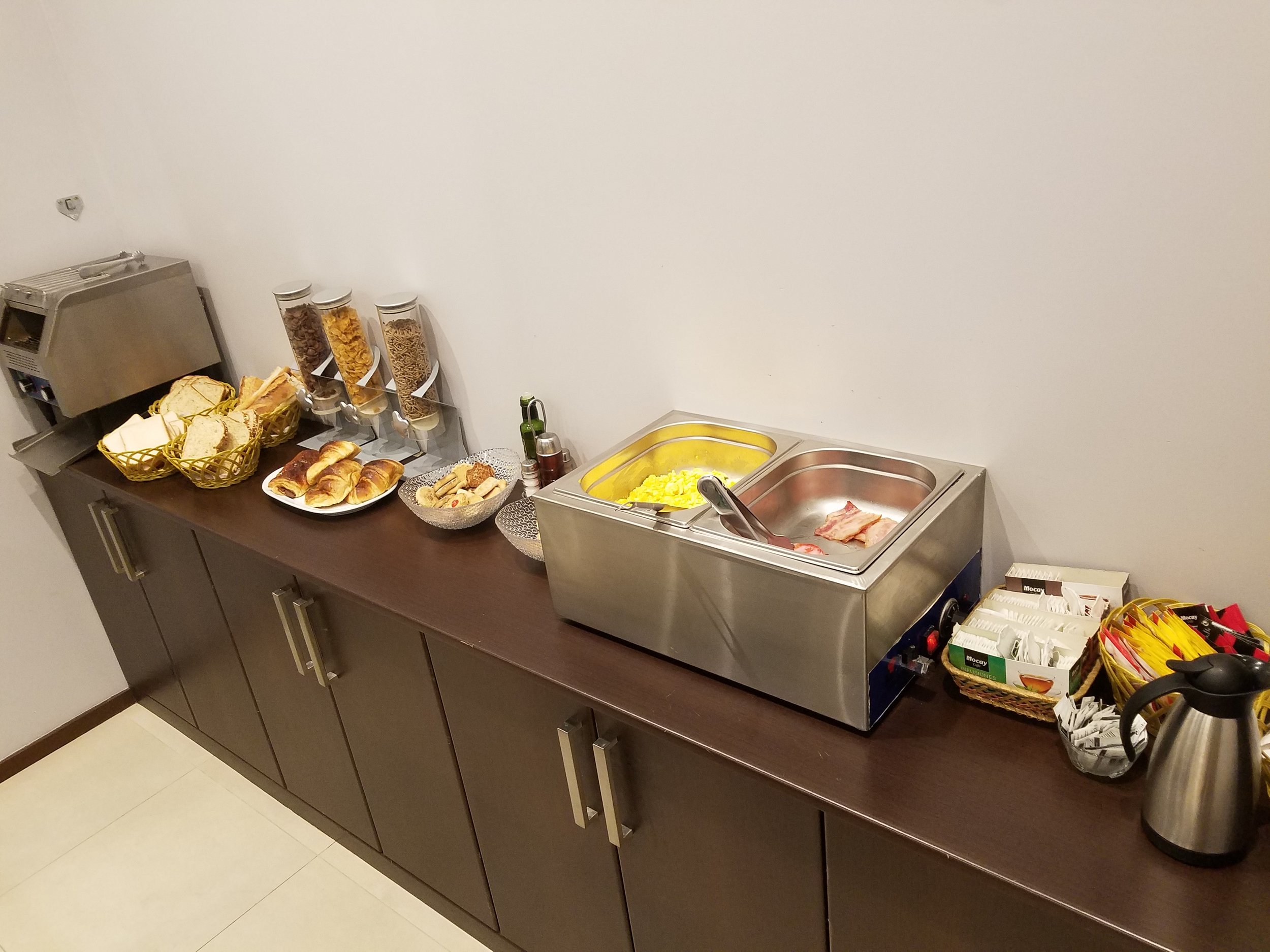
Quick cereal with milk from supermarkets.
Dinner options to replenish
Menú del peregrino main course: Often stews, grilled fish, roasted meats, or pasta.
Caldo gallego or vegetable stews for warmth and salts.
Rice or potato dishes for carbohydrates.
Simple salad and a piece of fruit for vitamins.
Hydration and drinks
Water: Carry at least 1–2 liters depending on heat and stage length; refill in towns and public fountains.
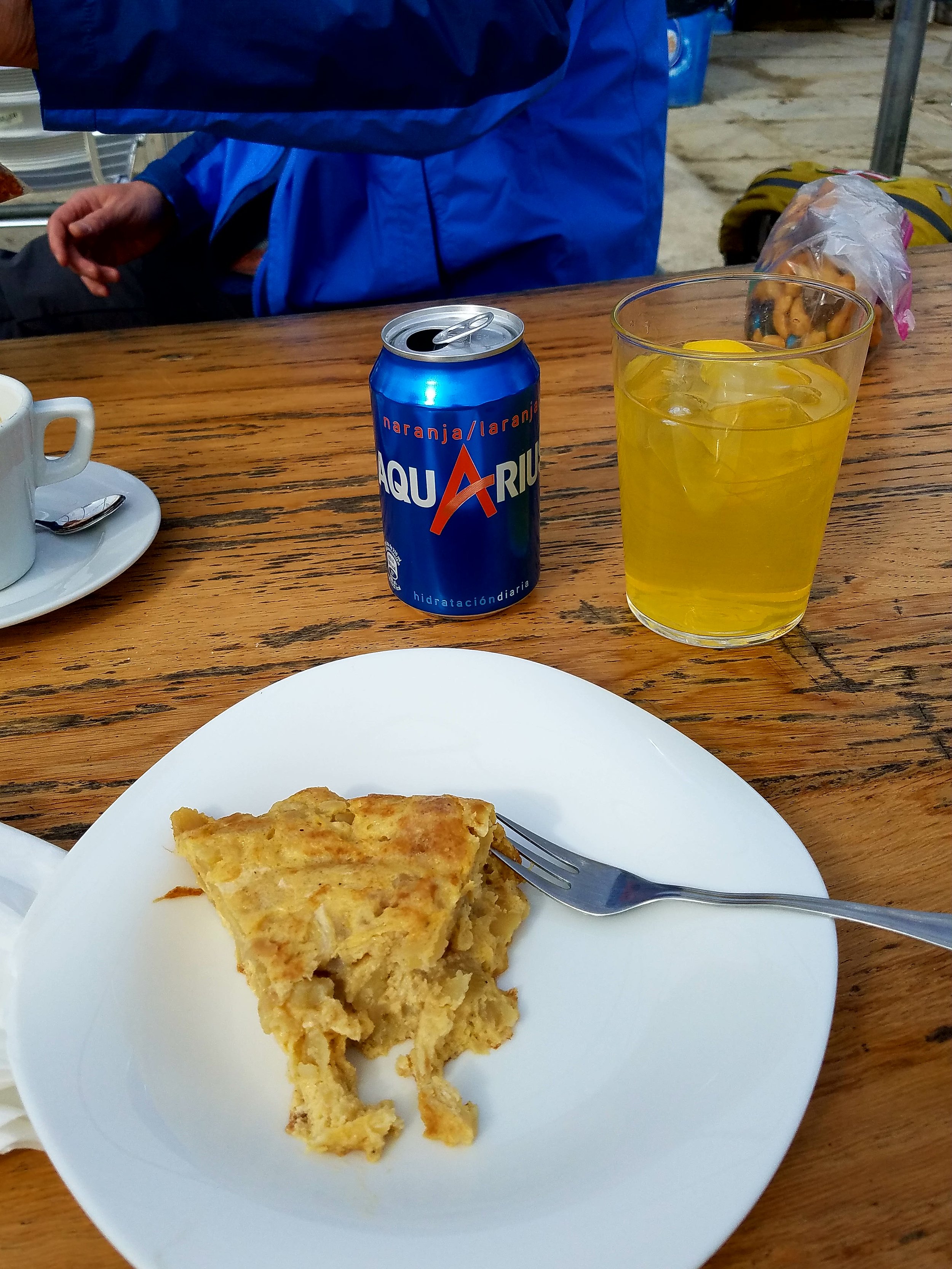
Electrolyte drinks: Useful in hotter months.
Coffee: Widely available; many pilgrims use it to start the day.
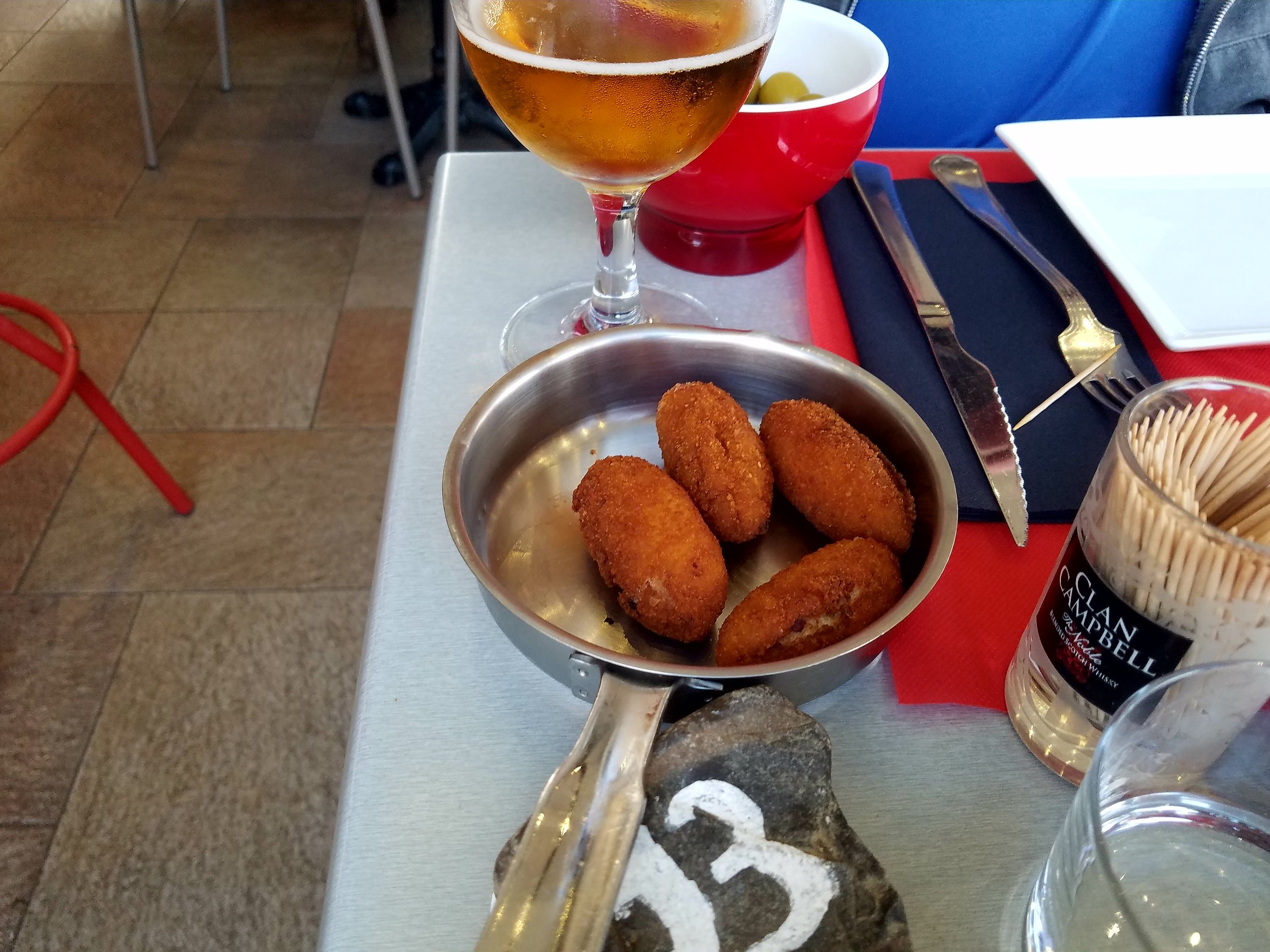
Cider, wine, beer: Common in evening meals; moderate consumption recommended to aid recovery.
Dietary considerations and tips
Vegetarian and vegan options: Increasingly available but not guaranteed in small villages—carry extra staples if needed.
Food safety: Refrigeration can be limited. Consume perishable items the same day or keep them cool.
Allergies and intolerances: Communicate needs in Spanish if possible; be cautious with cross-contamination in shared kitchens.
Budgeting: Menú del peregrino is the most economical way to get a full meal; self-catering can be cheaper if you prepare food.
Eating schedule: Eat a good breakfast, snack consistently during the day (every 1.5–2 hours), and have a substantial dinner to refuel muscles.
Useful small items to carry
Reusable water bottle
Lightweight cutlery and cup
Small container for olive oil or condiments
Wet wipes and hand sanitizer
Zip-top bags for leftovers or wet clothes
Regional specialties you may encounter
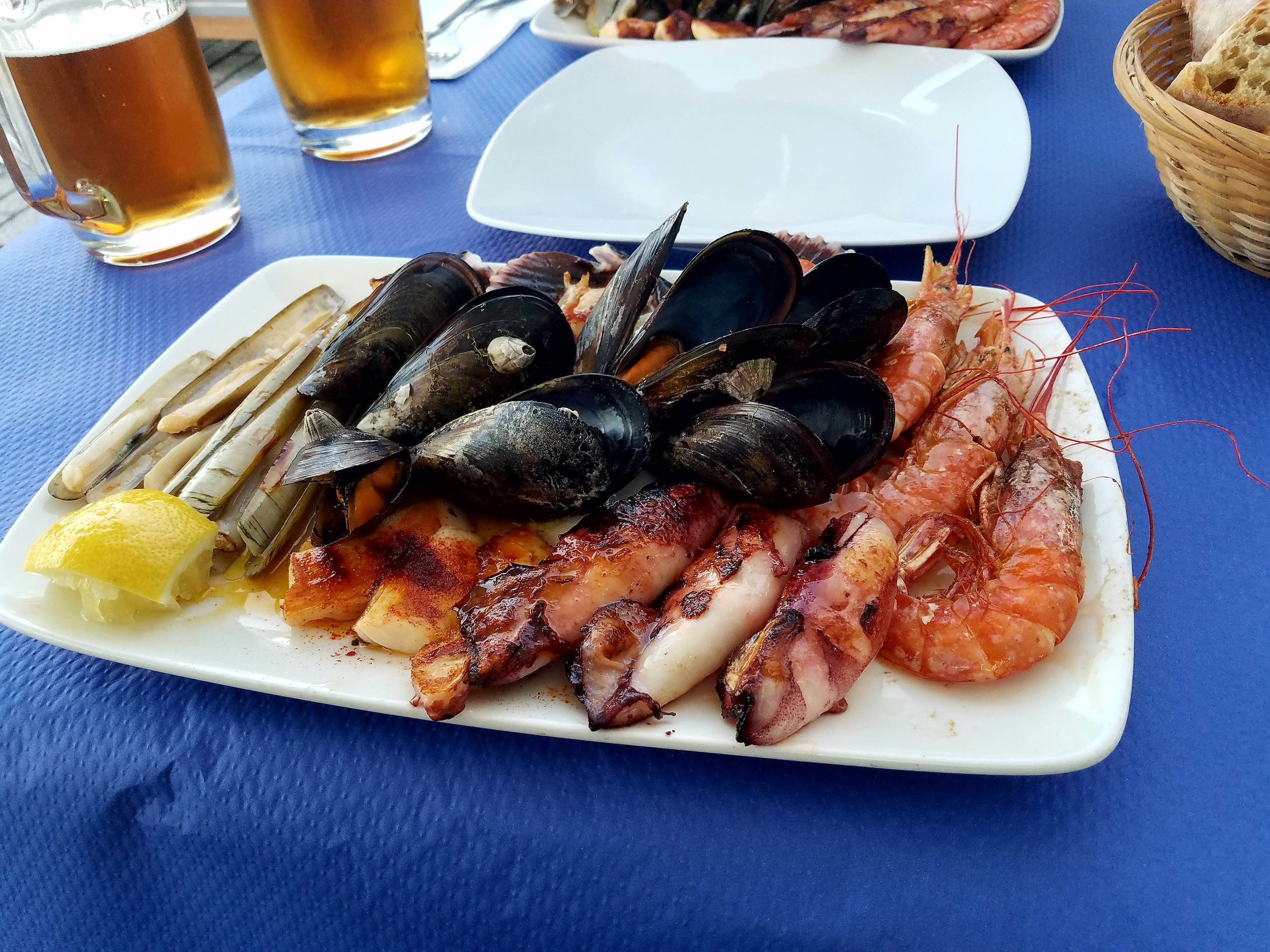
Galicia: Pulpo a la gallega (octopus), caldo gallego, empanada gallega.
Castilla y León: Hearty roasts, cured hams, hornazo (meat pie in some towns).
Navarra/Basque areas (on some routes